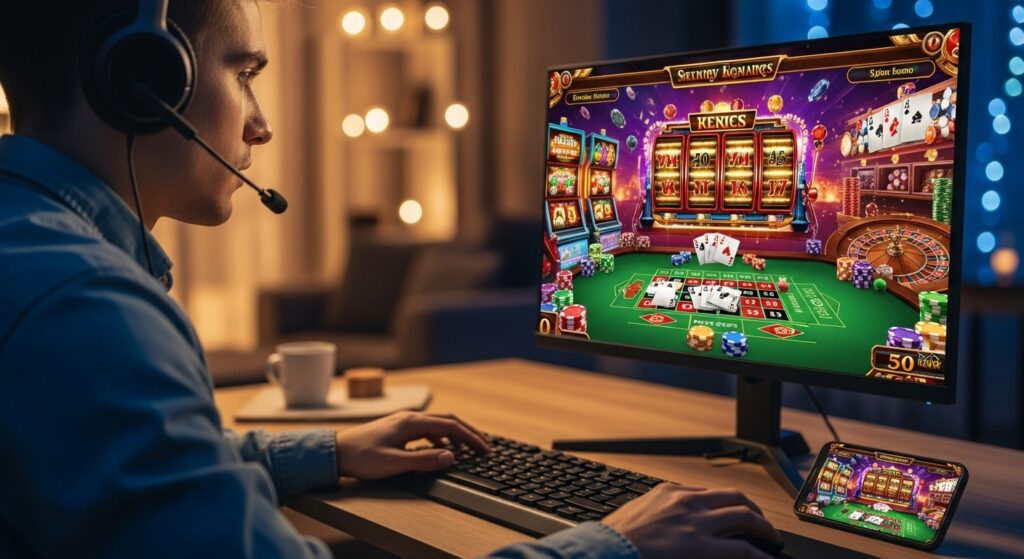
The world of gaming has undergone an extraordinary transformation in recent years, with iGaming emerging as a dominant force in the entertainment sector. Whether you’re familiar with the term or hearing it for the first time, iGaming refers to online gambling and betting activities, ranging from online casinos to sports betting platforms. The rapid growth of this sector has been fueled by technological advancements, changing regulations, and shifting consumer behavior. In this blog post, we will explore the rise of iGaming, its appeal, and the factors that make it a key player in the future of digital entertainment.
1. Understanding iGaming: More Than Just Online Casinos
When most people think of iGaming, they likely imagine online slots or blackjack tables. While these traditional casino games are certainly a large part of the iGaming world, the industry is much broader. iGaming encompasses a wide variety of online gaming activities, including poker, sports betting, bingo, and even virtual esports betting.
One of the key features of iGaming is its accessibility. Players no longer need to visit a physical casino to experience the thrill of gambling or place bets on their favorite sports teams. With a few clicks, players can access a wide range of games and activities from the comfort of their homes. This convenience has played a significant role in the explosion of iGaming’s popularity over the past decade.
2. The Growth of Mobile iGaming
As smartphones and tablets have become ubiquitous, mobile iGaming has emerged as one of the fastest-growing sectors within the broader iGaming industry. Mobile platforms have revolutionized the way players engage with online gambling, allowing them to enjoy their favorite games while on the go. With advancements in mobile technology and optimized user interfaces, mobile iGaming experiences are now seamless, offering the same level of excitement and interaction as desktop versions.
The popularity of mobile gaming is particularly significant because it opens up iGaming to a broader demographic. With more people accessing the internet via mobile devices than ever before, the potential for growth in the mobile iGaming space is enormous. Moreover, mobile iGaming platforms frequently offer exclusive promotions or features that are tailored specifically to mobile players, further enhancing their appeal.
3. The Role of Live Dealer Games
Another defining feature of modern iGaming is the introduction of live dealer games. These games bridge the gap between traditional brick-and-mortar casinos and online platforms by offering real-time interaction with professional dealers. Whether it’s blackjack, roulette, or baccarat, players can participate in a live casino experience from their computers or smartphones, complete with real-time video feeds, interactive features, and the ability to chat with dealers and fellow players.
The rise of live dealer games has been instrumental in recreating the social atmosphere that is often lacking in traditional online casino games. For many players, the live dealer experience adds an element of authenticity and immersion that is hard to replicate with computer-generated graphics. As technology continues to improve, the quality of live dealer games is only expected to get better, enhancing the overall iGaming experience.
4. iGaming and the Emergence of Esports Betting
One of the most exciting developments in the iGaming world is the rise of esports betting. As competitive gaming has grown into a global phenomenon, esports tournaments have attracted massive audiences, creating new opportunities for online betting. Platforms now allow players to bet on major esports events like League of Legends, Dota 2, Counter-Strike: Global Offensive, and more.
Esports betting has quickly become a significant segment of the iGaming market, appealing to a younger, tech-savvy demographic that is already deeply invested in gaming culture. The integration of esports with iGaming offers a new level of engagement, where fans of specific games can not only watch tournaments but also bet on the outcomes, adding an extra layer of excitement to the experience.
5. The Impact of Cryptocurrency on iGaming
In recent years, cryptocurrency has made its way into the iGaming world, offering players a new and innovative way to fund their accounts, place bets, and cash out winnings. Cryptocurrencies like Bitcoin, Ethereum, and Litecoin have gained significant popularity due to their decentralized nature, which ensures privacy and security for players.
By using cryptocurrencies, iGaming platforms can offer faster transactions, lower fees, and greater anonymity, making it a preferred payment option for many players. Additionally, the volatility of cryptocurrencies adds an extra layer of excitement for those willing to take on the risk. As digital currencies continue to grow in popularity, it’s likely that more iGaming platforms will integrate cryptocurrency options, further solidifying its place in the industry.
6. Regulation and Responsible Gambling in iGaming
As the iGaming industry continues to grow, so too does the need for proper regulation and responsible gambling practices. The online gambling landscape can be a minefield, with unlicensed operators and fraudulent websites posing significant risks to players. To protect consumers, many jurisdictions around the world have introduced strict regulations and licensing requirements for online gambling platforms.
In addition to regulatory frameworks, responsible gambling measures have also become a crucial part of the iGaming experience. Leading platforms now offer features that help players manage their gambling habits, such as deposit limits, self-exclusion options, and access to support services for those who may be struggling with gambling addiction. This emphasis on player protection is vital for the long-term sustainability of the iGaming industry and ensures that players can enjoy their gaming experiences in a safe and secure environment.
7. The Future of iGaming: What’s Next?
The iGaming industry is showing no signs of slowing down, and its future is filled with exciting possibilities. As technology continues to advance, we can expect to see even more immersive experiences, such as virtual reality casinos and augmented reality sports betting. Additionally, innovations in artificial intelligence (AI) and machine learning could revolutionize personalized gaming experiences, making it easier for players to find games that match their preferences and skill levels.
The rise of 5G networks is also expected to have a significant impact on the iGaming sector. With faster internet speeds and lower latency, players will be able to enjoy smoother gameplay, quicker transactions, and more seamless interactions with live dealers and other players. The future of iGaming looks promising, with new technologies enhancing every aspect of the gaming experience.
Conclusion: iGaming as the Future of Digital Entertainment
iGaming is more than just a trend; it’s a global movement that is shaping the future of digital entertainment. With its ever-expanding variety of games, mobile accessibility, live dealer experiences, and integration of cutting-edge technologies, the iGaming industry is setting the stage for a new era of interactive and immersive gaming.
As the industry continues to evolve, it will undoubtedly face challenges, particularly in terms of regulation, responsible gambling, and player protection. However, the continuous innovation within the space demonstrates that iGaming is here to stay, offering a dynamic and exciting form of entertainment that appeals to millions of players worldwide.
The digital revolution in entertainment is happening now, and iGaming is at the forefront of this transformation. Whether you’re a seasoned gambler or a casual gamer, the future of iGaming promises new experiences, new opportunities, and a whole new level of excitement for players across the globe.