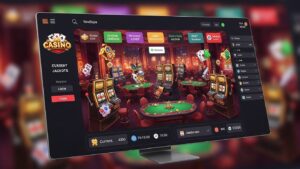
The world of entertainment is in the midst of a rapid and thrilling transformation. At the heart of this revolution lies iGaming, a term that refers to all types of online gambling activities, including online casinos, sports betting, poker, and even virtual games. As the digital world continues to evolve, iGaming has emerged as one of the most dynamic and rapidly growing sectors within the global entertainment industry. With a combination of technological advances, regulatory changes, and changing consumer habits, iGaming is not just a trend; it’s becoming a central part of modern gaming culture. This blog post will explore the rise of iGaming, its diverse offerings, its impact on the global economy, and what the future holds for this booming industry.
What is iGaming?
At its core, iGaming refers to gambling and betting activities conducted through the internet. While traditional gambling activities such as poker, blackjack, or roulette have long been part of human culture, the advent of the internet and mobile technology has significantly transformed how these games are played. iGaming brings these traditional casino games and sports betting options directly to consumers, enabling them to place bets, play games, and even compete against others from the comfort of their own homes or on the go via mobile devices.
The term “iGaming” covers a wide variety of online betting activities, including:
- Online Casinos: Virtual platforms that offer a wide range of games, from classic casino games like blackjack and roulette to newer, innovative slot games with interactive features.
- Sports Betting: Players can wager on various sports events, including football, basketball, tennis, horse racing, and even niche sports, all facilitated through online platforms.
- Online Poker: The digital version of poker has become a global phenomenon, with players from all over the world competing against each other in tournaments or cash games.
- Esports Betting: With the rise of esports, iGaming now includes the option to bet on competitive video gaming events, including popular titles like League of Legends, Dota 2, and Counter-Strike: Global Offensive.
- Virtual Games: These are digital games that simulate real-life betting experiences, including virtual horse races, football matches, and other events. They are powered by RNG (Random Number Generator) software that creates fair, predictable outcomes.
iGaming combines entertainment with the potential for financial gain, and its growth has been fueled by a combination of technological innovation, user accessibility, and legal reforms in various countries around the world.
The Technological Innovation Behind iGaming
One of the primary drivers of iGaming’s rapid growth is the advancement of technology. Over the past decade, technological innovation has significantly enhanced both the player experience and the backend operations of online gaming platforms. Key innovations in the iGaming space include:
1. Mobile Gaming
With the proliferation of smartphones and tablets, mobile gaming has become a central aspect of iGaming. Players no longer need to be tied to a desktop computer or a traditional casino to engage in their favorite gambling activities. Modern mobile applications allow users to gamble seamlessly on the go, whether they’re commuting, at home, or traveling. Mobile-optimized platforms offer a wide range of casino games, sports betting options, and even live dealer experiences, all accessible through handheld devices.
2. Live Dealer Games
One of the standout features of iGaming in recent years has been the introduction of live dealer games. These games allow players to interact with real-life dealers in real-time, providing a more immersive and authentic casino experience. Using live video streams, players can engage in blackjack, roulette, baccarat, and other table games, while the dealer operates in a professional studio setting. This innovation has helped bridge the gap between online and brick-and-mortar casinos, offering players the best of both worlds.
3. Virtual Reality (VR) and Augmented Reality (AR)
As the digital world becomes more immersive, virtual reality (VR) and augmented reality (AR) technologies are beginning to make their mark on the iGaming industry. VR casinos are beginning to emerge, providing players with fully immersive, 3D virtual environments where they can interact with other players and enjoy games like poker or roulette as though they were in a real casino. AR, on the other hand, has the potential to bring live gaming events, such as sports matches, directly to players’ environments, allowing them to interact with the game in real-time.
4. Blockchain and Cryptocurrency
The use of blockchain technology and cryptocurrency in iGaming has begun to gain traction, providing increased security, transparency, and privacy for players. Blockchain allows for secure and unalterable transaction records, ensuring that players can trust the integrity of online gaming platforms. Cryptocurrency, particularly Bitcoin and Ethereum, has become a popular payment method, offering fast, secure, and anonymous transactions. Many iGaming platforms now accept cryptocurrencies as a standard form of payment, catering to players who value privacy and ease of use.
The Global Growth of iGaming
The expansion of iGaming has been a global phenomenon, with significant growth in markets across North America, Europe, and parts of Asia. Countries around the world have begun to embrace online gambling, recognizing its potential to generate substantial tax revenue and create jobs.
1. Legalization and Regulation
One of the biggest factors contributing to the growth of iGaming is the legalization and regulation of online gambling in various regions. As governments realize the potential economic benefits, many countries have introduced legislation to regulate iGaming platforms and ensure consumer protection.
For example, in the United Kingdom, the UK Gambling Commission regulates and licenses all online gaming platforms, ensuring that they adhere to strict standards of fairness, transparency, and security. Similarly, the state of New Jersey in the United States has become a hub for legal online gambling, including online casinos, poker, and sports betting.
However, despite the overall trend toward legalization, some countries still maintain strict bans on online gambling, including nations such as China and India. As the industry continues to grow, the challenge for regulators will be to balance innovation with consumer protection, ensuring that players can enjoy iGaming responsibly.
2. The Rise of Esports Betting
One of the most exciting developments in the iGaming world is the rise of esports betting. Esports, or competitive video gaming, has exploded in popularity, attracting millions of players and spectators worldwide. Major events like The International, the world championship of the game Dota 2, and League of Legends World Championships, draw in viewers from around the globe.
Esports betting allows fans to wager on these tournaments and events, adding an additional layer of excitement to the experience. Just like traditional sports betting, esports betting includes various types of bets, such as match outcomes, player performance, and in-game events. As the popularity of esports continues to grow, so too does the potential of iGaming to tap into this burgeoning market.
The Impact of iGaming on the Economy
iGaming has become a significant contributor to the global economy, creating thousands of jobs and generating billions of dollars in revenue. According to recent reports, the global iGaming market is expected to reach $127.3 billion by 2027, growing at a compound annual growth rate (CAGR) of 11.5% from 2020.
1. Job Creation
The iGaming industry has created a wide variety of jobs in sectors such as software development, customer support, marketing, and regulatory compliance. From game developers to live dealers and platform operators, the demand for skilled workers in the iGaming space has skyrocketed in recent years.
2. Tax Revenue
As iGaming becomes legalized and regulated in more regions, governments are able to tax the industry and generate significant revenue. In some cases, tax revenue from online gambling has been used to fund social programs, public infrastructure, and education. This additional source of income has made iGaming a highly attractive option for governments looking to bolster their budgets.
The Future of iGaming
The future of iGaming is incredibly promising, with technological advancements and regulatory changes set to drive continued growth. As virtual reality, augmented reality, and cryptocurrency continue to shape the industry, players can expect more immersive, secure, and accessible gambling experiences.
1. Increased Personalization
As iGaming platforms continue to collect data on players’ preferences, we can expect even more personalized experiences in the future. AI-driven recommendations, personalized bonus offers, and tailored gaming experiences will make iGaming more engaging and satisfying for players.
2. Greater Integration with Social Media
In the future, iGaming may see more integration with social media platforms, allowing players to share their wins, challenges, and gaming experiences with friends and followers. This will likely create new ways for players to interact, compete, and collaborate, further enhancing the social aspect of iGaming.
3. Expanded Legalization
As more countries move toward legalizing online gambling, the global iGaming market is expected to continue expanding. The regulation of online gambling, including esports betting and online casinos, will lead to greater consumer protection, security, and a more organized gaming environment.
Conclusion: The Bright Future of iGaming
iGaming has undoubtedly transformed the way people engage with gambling and entertainment. From the rise of mobile gaming and live dealer games to the adoption of blockchain and cryptocurrency, technological advancements have allowed the industry to flourish in exciting new ways. As the global market continues to grow, the opportunities for innovation, regulation, and economic impact are limitless. As we look to the future, it’s clear that iGaming will remain a key player in the global entertainment and betting landscape, offering more engaging, immersive, and secure experiences for players worldwide.