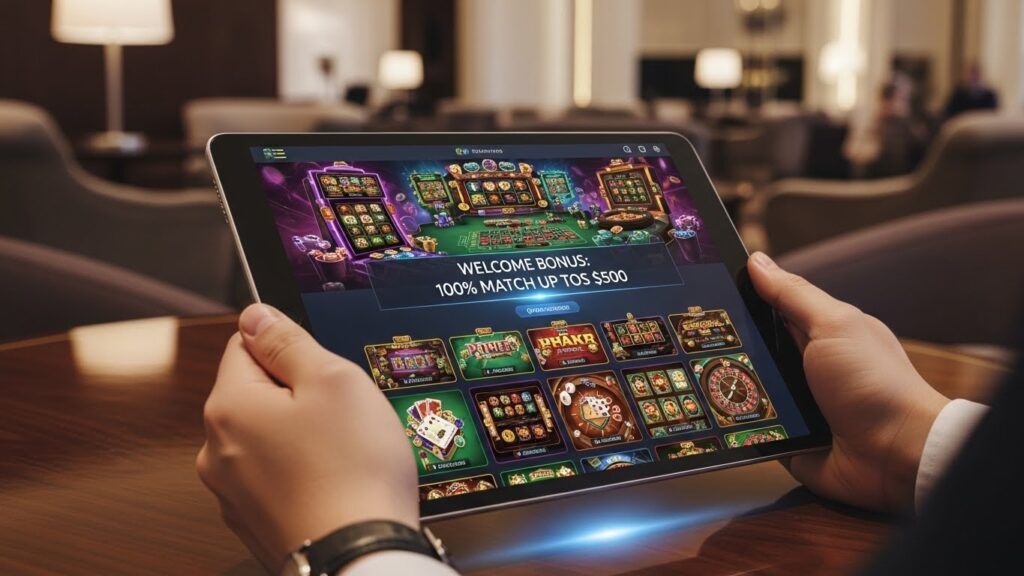
The world of gaming has undergone a massive transformation in the last decade, with technology reshaping how people interact, compete, and entertain themselves. One of the most dynamic areas within this space is iGaming, a term that encompasses all forms of online gambling and gaming experiences. From online casinos to fantasy sports, iGaming has become a global phenomenon, attracting millions of players worldwide. This blog explores the rise of iGaming, its technological underpinnings, the regulatory environment, and the impact it has on the entertainment landscape.
Understanding iGaming
iGaming, short for interactive gaming, refers to digital platforms that allow users to engage in games of chance or skill via the internet. Unlike traditional gambling, which occurs in physical casinos, iGaming operates entirely online, providing accessibility and convenience to users at all times. The scope of iGaming includes a wide variety of offerings such as online poker, slots, sports betting, bingo, and virtual lotteries.
The appeal of iGaming lies in its blend of excitement, reward, and interactivity. Players can enjoy immersive gaming experiences that simulate real-world scenarios or participate in competitive environments where strategy and skill determine outcomes. Unlike physical casinos, iGaming platforms often offer bonuses, loyalty programs, and instant payouts, enhancing the overall user experience.
Technological Innovations Driving iGaming
The rapid growth of iGaming is closely tied to technological advancements that have transformed digital entertainment. One of the most significant developments is mobile gaming. Smartphones and tablets have made it possible for players to access iGaming platforms anytime, anywhere. Mobile optimization and dedicated apps ensure seamless gameplay, making online gambling more convenient than ever before.
Another critical innovation is the use of artificial intelligence and data analytics. AI algorithms can personalize gaming experiences, recommend games based on player preferences, and even detect fraudulent behavior. Meanwhile, blockchain technology has started to influence iGaming through decentralized platforms and cryptocurrency integration, allowing secure and transparent transactions without traditional banking intermediaries.
Virtual reality (VR) and augmented reality (AR) are also beginning to reshape the landscape. These technologies create immersive environments that replicate the experience of being in a physical casino. Players can interact with other participants in real-time, walk through virtual gaming floors, and enjoy a sense of presence that was previously impossible in online gambling.
Popular iGaming Segments
The iGaming industry is diverse, with different segments catering to various player preferences. Understanding these categories helps explain why the sector has grown so rapidly.
Online Casinos
Online casinos are the most well-known component of iGaming. They offer a variety of games, including slot machines, blackjack, roulette, and baccarat. Online casinos replicate the thrill of physical casinos while providing additional advantages such as flexible betting limits, instant access, and the ability to play from anywhere.
Sports Betting
Sports betting has seen unprecedented growth with the rise of online platforms. Users can bet on a wide range of sports, from football and basketball to cricket and esports. The integration of real-time data, live streaming, and instant odds has made sports betting highly interactive and engaging.
Poker and Card Games
Online poker and card games attract competitive players seeking strategic challenges. Tournaments, leaderboards, and multiplayer formats create a dynamic environment where skill, psychology, and timing are crucial. Unlike casual gaming, poker demands consistent practice and strategy, which enhances player retention and engagement.
Bingo and Lottery
Online bingo and lottery games appeal to casual players seeking entertainment without extensive skill requirements. These platforms offer social interaction features, instant results, and a chance to win substantial prizes, making them popular among a broad demographic.
The Regulatory Landscape of iGaming
As iGaming grows, regulatory authorities worldwide are adapting to ensure fair play, security, and responsible gambling. Regulations vary significantly by region, with some countries embracing online gambling fully and others imposing strict restrictions or outright bans.
Licensing is a critical aspect of iGaming regulation. Licensed operators must adhere to rigorous standards regarding game fairness, secure transactions, and player protection. Regulatory bodies also implement measures to prevent underage gambling and promote responsible gaming practices, including self-exclusion programs and deposit limits.
Regulation plays a dual role in protecting consumers and fostering industry growth. Well-regulated markets attract legitimate operators, encourage innovation, and build trust among players. On the other hand, unregulated markets can expose players to scams, unfair games, and financial risks.
Social and Economic Impact of iGaming
iGaming has significant social and economic implications. Economically, it generates substantial revenue, creates jobs, and contributes to tax income for governments. Online gaming platforms employ software developers, customer support teams, marketing experts, and data analysts, among others. In regions where iGaming is legalized and regulated, it has become an essential part of the digital economy.
Socially, iGaming influences entertainment habits and leisure patterns. It provides an alternative form of recreation that combines competition, strategy, and social interaction. Multiplayer platforms enable players to connect globally, fostering communities around shared interests. However, it is essential to recognize the potential for addiction and financial harm, emphasizing the importance of responsible gaming initiatives.
Responsible Gaming Practices
While iGaming offers numerous benefits, it also presents challenges related to problem gambling. Responsible gaming is a crucial aspect of the industry, designed to protect players and maintain a healthy gaming environment. Platforms implement various measures to promote responsible behavior, such as setting betting limits, offering self-assessment tools, and providing access to support resources for those affected by gambling issues.
Education is another key component. Players are encouraged to understand the risks involved, set personal limits, and avoid chasing losses. By promoting transparency, awareness, and ethical practices, the iGaming industry can mitigate negative impacts while sustaining growth.
Future Trends in iGaming
The iGaming sector continues to evolve rapidly, and several trends are shaping its future. One major trend is the rise of esports betting, where players wager on competitive video gaming events. Esports has grown into a global phenomenon, attracting a young, tech-savvy audience that values digital engagement.
Another trend is gamification, where traditional games incorporate reward systems, achievements, and interactive features to enhance user engagement. Gamification can increase player retention, create a sense of accomplishment, and make online gaming more entertaining.
Artificial intelligence and machine learning will continue to drive personalization, predictive analytics, and enhanced security. AI-powered chatbots, for example, can provide real-time support and guidance to players, improving the overall experience. Additionally, the integration of VR, AR, and blockchain technologies will make online gambling more immersive, transparent, and secure.
Conclusion
iGaming has emerged as a powerful force in the digital entertainment industry, transforming how people play, compete, and interact online. Fueled by technological innovation, accessible platforms, and a diverse range of games, it has captured the imagination of millions worldwide. At the same time, the industry must navigate regulatory challenges, promote responsible gaming, and balance innovation with ethical practices.
As technology continues to advance and digital culture evolves, iGaming is poised to remain a central part of modern entertainment. Whether it is the thrill of an online casino, the strategic depth of poker, or the excitement of sports betting, iGaming offers experiences that are engaging, social, and increasingly immersive. For players, operators, and regulators alike, the future of iGaming promises continued growth, innovation, and transformation in the global digital landscape.