Slot machines are among the most recognizable and profitable fixtures of the gambling world. Whether in a glittering casino, an online gaming site, or even a small gaming lounge, the colorful lights, catchy tunes, and spinning reels draw millions of players every day. Yet few truly understand why these machines have such a powerful grip on the human mind. This is not just a coincidence or luck—it’s psychology. Every sound, color, and movement in a slot game is carefully designed to trigger deep emotional and cognitive responses.
In this blog, we’ll explore the fascinating psychology behind slot machines. From the way our brains process rewards to the design tricks that keep players engaged, we’ll uncover why we keep spinning—again and again.
The Allure of the Spin
Slot machines are designed to be simple and accessible. Unlike poker or blackjack, which require skill, strategy, and decision-making, slots demand nothing more than a button press. This simplicity creates a sense of ease and relaxation. Players don’t feel overwhelmed; instead, they can simply sit, play, and hope for a win.
The act of spinning itself is satisfying. The mechanical or virtual reels move quickly, accompanied by enticing sounds, creating a sensory loop of anticipation and excitement. Psychologists call this the anticipatory phase of reward—the moment when we are waiting to find out if we’ve won is often more stimulating than the win itself.
It’s the thrill of possibility that drives us, not necessarily the outcome. Every spin promises the potential for reward, and that potential is what keeps us coming back.
The Role of Randomness and Uncertainty
Human brains are wired to seek patterns, even in randomness. Slot machines exploit this trait perfectly. Each spin is determined by a random number generator (RNG), ensuring that outcomes are independent and unpredictable. Yet players often perceive patterns that don’t exist.
When two matching symbols appear on the first two reels, we feel a surge of excitement and anticipation for the third. When it misses, we feel close—so close—that we’re tempted to spin again. This phenomenon is known as the “near-miss effect.” Studies have shown that near-misses activate the same reward-related areas of the brain as actual wins, tricking us into believing we’re improving or “due” for a payout soon.
Uncertainty is also a powerful motivator. The unpredictability of slots taps into what psychologists call variable ratio reinforcement—a reward system that provides payouts at random intervals. This is the same psychological principle behind addictive behaviors like checking social media or email repeatedly. The brain releases dopamine in anticipation of a possible reward, not just in response to one.
Because we never know when the next win will come, we keep spinning.
The Sound of Winning: How Audio Triggers Emotion
Sound plays a massive role in shaping the slot experience. From the triumphant jingle of a win to the rhythmic spinning of reels, every auditory element is designed to stimulate emotion and engagement.
Even small wins are often accompanied by disproportionately loud and celebratory sounds, giving players the impression that they’ve achieved something significant. This auditory feedback enhances the reward sensation, making even minimal payouts feel exciting.
Casino researchers have found that machines with more complex and upbeat sounds tend to keep players engaged for longer periods. The soundscape is intentionally crafted to keep your attention and to provide constant sensory feedback, even when you’re losing.
In online slot games, developers use high-quality digital sound design to replicate this experience. Headphones or mobile speakers can amplify the emotional connection, immersing players even deeper into the game’s world.
The Visual Engineering of Attraction
The flashing lights, spinning animations, and colorful graphics of slot machines are not random artistic choices. They’re carefully engineered to maximize attention, excitement, and immersion.
Bright colors like red and gold are associated with energy, wealth, and luck, while vibrant animations create a dynamic environment that feels alive. When reels spin, the motion triggers our natural attraction to movement, keeping our eyes fixed on the screen.
Symbols such as fruits, bars, and sevens are not just tradition—they evoke nostalgia and familiarity. Modern online slots build on this by introducing elaborate themes: ancient mythology, fantasy, adventure, or movie tie-ins. The visual world becomes an escape, a mini universe where the player feels in control, even though the outcomes are random.
The user interface design of slot games also plays into psychology. Buttons are large and centered, often glowing or pulsing to invite action. Wins are displayed prominently, losses quietly. The visual hierarchy keeps the focus on potential rewards, not on the risk.
The Illusion of Control
Even though slot machines are entirely based on chance, players often believe they have some influence over the outcome. This illusion of control is one of the most powerful psychological hooks in gambling.
When you press the “Spin” button yourself, you feel responsible for the result—even though the machine’s random number generator already determined the outcome before you pressed it. Some players develop rituals or lucky habits: tapping the button a certain way, choosing specific machines, or timing their spins.
These actions give players a sense of empowerment and agency, reducing anxiety and making the experience more enjoyable. Casinos and game developers understand this, which is why many slot interfaces give players optional controls—such as adjusting bet size or selecting the number of paylines—reinforcing the illusion that decisions matter.
This illusion keeps engagement high because it fosters hope. It tells the brain: “Maybe I can influence my luck.”
Dopamine and the Brain’s Reward System
To understand why slot machines are so compelling, we must look at the brain’s chemistry. Dopamine is a neurotransmitter that plays a central role in pleasure, motivation, and reward. When we anticipate a reward, dopamine levels rise.
Slot machines trigger this system repeatedly. Each spin creates a loop of anticipation and resolution. When we win, dopamine surges. When we lose, it dips—but the possibility of winning again soon keeps us spinning, chasing the next dopamine rush.
This reinforcement cycle mirrors the same neural patterns seen in other forms of behavioral addiction, such as shopping or social media use. The randomness of rewards (the variable ratio reinforcement mentioned earlier) makes the dopamine response even stronger. The brain becomes conditioned to the pattern of uncertainty and reward.
This doesn’t mean every player becomes addicted. Most people can enjoy slots casually. But for those susceptible to addictive behaviors, the constant stimulation of dopamine can make stopping difficult.
The Emotional Rollercoaster of Wins and Losses
Slot machines create an emotional journey—one that alternates between excitement, frustration, and relief. The highs of a win are intense, but so are the lows of a near-miss or losing streak.
Interestingly, studies show that even losing spins can produce mild excitement. This is because the visual and auditory feedback doesn’t stop when we lose. Lights still flash, sounds still play, and animations continue. This softens the emotional blow and keeps players engaged.
Casinos and online platforms capitalize on this emotional regulation. Instead of making losses feel negative, they make them feel like “almost wins.” Over time, this blurs the line between success and failure, making the game more emotionally addictive.
The Social Dimension of Slot Play
While slot machines are often played alone, they still carry a social dimension. In physical casinos, the sound of nearby wins encourages a communal atmosphere of excitement. When one player wins, others feel a surge of hope that they could be next.
Online platforms replicate this through leaderboards, shared jackpots, and chat features. Players can celebrate wins together, post results, or compete for bonuses. This social reinforcement strengthens engagement and creates a sense of belonging.
Humans are inherently social creatures, and we’re influenced by the behavior of others. Seeing someone win activates our mirror neurons, making us feel that success is within reach. The phrase “If they can win, so can I” becomes a subtle psychological motivator.
Online Slot Machines: Psychology in the Digital Age
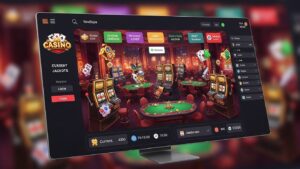
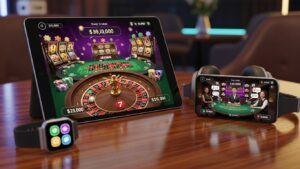
As the iGaming industry evolves, slot machines have transitioned seamlessly into the digital world. Online slots are now among the most popular forms of entertainment, accessible on smartphones, tablets, and computers.
The psychology remains the same—but the delivery has become more sophisticated. Developers use algorithms and design elements to enhance engagement through personalization. Games may adapt difficulty, offer tailored bonuses, or create missions to sustain long-term interest.
Online slots also introduce micro-rewards, such as daily spins, loyalty points, or mini-games within the main game. These micro-rewards maintain the dopamine cycle even outside of standard gameplay.
Push notifications, vibrant interfaces, and gamified progression systems further increase user retention. The game becomes a living environment that constantly rewards participation.
The Economics of Engagement
Casinos and iGaming companies understand that engagement equals profit. Every psychological element—from sound design to near-misses—is crafted to increase time on device, the most important metric for revenue.
In land-based casinos, the physical layout directs foot traffic toward slot areas. Machines are placed in clusters or near entrances, creating visibility and attraction. Online, this translates into intuitive navigation, featured games, and promotional banners that lead players toward specific titles.
The concept of “flow state” also plays a role. When players are deeply focused and immersed, they lose track of time and surroundings. Slot games are built to facilitate this mental state through rhythmic interaction, consistent feedback, and minimal cognitive load.
The longer a player remains in this state, the more spins—and thus wagers—they are likely to make.
Responsible Gaming and Awareness
While the psychology of slot machines is fascinating, it also raises ethical concerns. The same principles that make games engaging can make them addictive. For this reason, the iGaming industry has invested heavily in promoting responsible gambling practices.
Responsible gaming features include spending limits, reality checks, and time-out options. Some online casinos even display playtime statistics or alert players when they’ve been active for long periods.
Education also plays a crucial role. Understanding the psychology behind slot machines empowers players to make informed decisions. Recognizing that outcomes are random—and that the “illusion of control” is just that, an illusion—helps mitigate impulsive behavior.
Governments and regulatory bodies continue to push for transparency, ensuring players have access to fair information about odds, payout percentages, and risk factors.
The Future of Slot Psychology
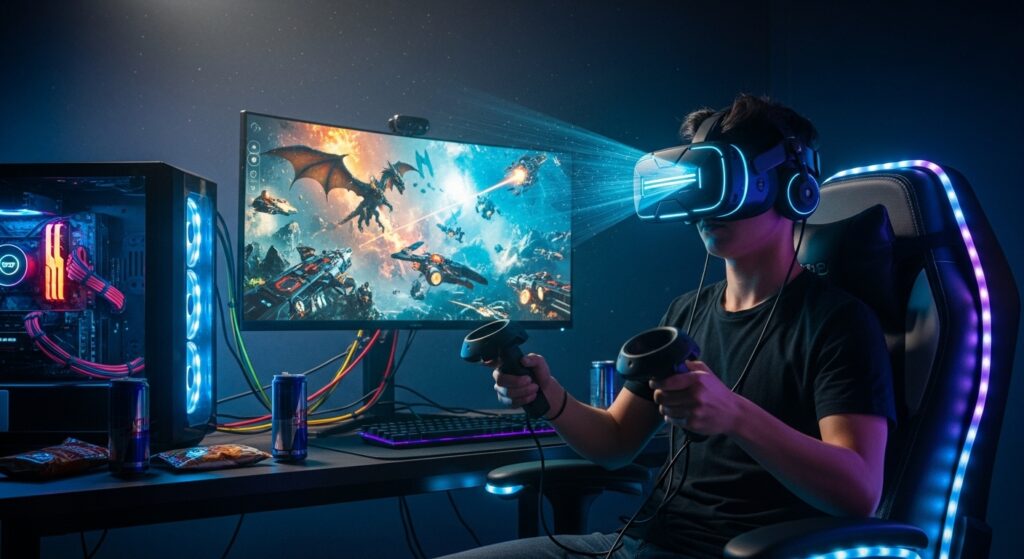
As technology advances, slot machines will become even more immersive. Virtual reality (VR) and augmented reality (AR) could transform the way players experience games, making environments more interactive and realistic.
Artificial intelligence (AI) might personalize games based on player behavior, tailoring visuals, sounds, and reward structures to individual preferences. While this could enhance entertainment, it also intensifies ethical debates about player protection and addiction prevention.
The core psychology, however, will remain the same. Human brains will continue to respond to uncertainty, reward, and anticipation. As long as these elements exist, the thrill of the spin will never truly fade.
Conclusion: Why We Keep Spinning
Slot machines are more than just games of chance—they are masterpieces of psychological design. Every sound, symbol, and animation is built to trigger emotion, anticipation, and engagement. From dopamine surges to the illusion of control, the experience taps into some of our most primal neurological responses.
We keep spinning because our brains crave the thrill of possibility. The chance of winning—even when slim—activates a reward system that’s difficult to ignore. And even when we lose, the lights, sounds, and sensations make the experience pleasurable enough to continue.
Understanding this psychology doesn’t take away the fun of playing. Instead, it provides insight into how our minds interact with games of chance. With awareness and responsibility, we can appreciate the art and science behind slot machines while keeping control over the spin.
The next time you sit before a slot machine—real or virtual—remember this: the reels are not just spinning metal or pixels. They are spinning the deepest parts of human psychology, turning curiosity, hope, and excitement into motion. And that, more than anything else, is why we keep spinning.