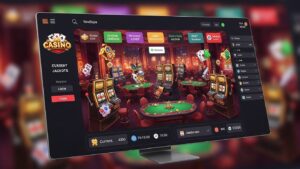
In a world where digital entertainment continues to rise in popularity, one sector has rapidly emerged as a key player—iGaming. With the rise of online platforms offering everything from casino games to sports betting and esports, iGaming has transformed the gambling industry, creating new opportunities for players and operators alike. This blog post will explore the evolution of iGaming, its various forms, technological advancements, and the impact it is having on the global entertainment landscape.
What is iGaming?
iGaming, short for internet gaming, refers to any form of gaming or gambling that is conducted online. It encompasses a broad spectrum of activities, including online casino games like blackjack and roulette, sports betting, esports betting, and even fantasy sports. The appeal of iGaming lies in its convenience, as players can now engage in gambling activities without leaving their homes. Thanks to the internet and mobile technology, users can access these platforms anytime and from anywhere, making iGaming a flexible and accessible form of entertainment for millions worldwide.
The global nature of the internet means that players from virtually any corner of the world can participate, giving the iGaming industry a truly international appeal. The sector’s growth has been fueled by technological advancements, favorable regulations in certain markets, and increasing public interest in digital entertainment.
The Evolution of iGaming: From Early Days to Global Phenomenon
The history of iGaming can be traced back to the mid-1990s, when the first online casinos began to appear. At that time, the internet was still in its infancy, and online gambling was seen as a novelty. However, the idea of playing casino games or placing bets without needing to visit a physical location caught the imagination of gamblers everywhere. In 1996, the first online casino was launched, and the industry began its slow but steady rise.
Throughout the 2000s, the growth of broadband internet and improvements in digital payment systems allowed online gambling platforms to offer a broader range of services. This era saw the introduction of online poker, sports betting websites, and virtual slot machines. By the 2010s, mobile technology had further expanded the iGaming market, enabling players to access their favorite games from smartphones and tablets.
The industry’s rapid expansion coincided with changing regulatory landscapes in various countries. Governments began to realize the revenue potential of iGaming and introduced legal frameworks to regulate online gambling activities. As a result, the iGaming industry exploded in popularity, with millions of people worldwide participating in online gaming.
Key Types of iGaming Experiences
The iGaming industry is vast, encompassing many different types of games and betting activities. Below are some of the key areas where iGaming has made a significant impact:
Online Casinos
Online casinos are perhaps the most widely recognized segment of iGaming. They offer a digital version of the traditional casino experience, where players can enjoy a variety of classic games such as blackjack, roulette, poker, and baccarat. These online platforms have expanded beyond traditional casino games, offering innovative variations, video slots, and even live dealer games. Live dealer games allow players to interact with real human dealers via video stream, bringing an authentic casino experience directly to their screens.
What makes online casinos so appealing is the vast selection of games available, as well as the convenience of being able to play at any time of day. Many online casinos offer bonuses and promotions to attract new players, such as free spins, welcome bonuses, and loyalty rewards for regular players.
Sports Betting
Sports betting is one of the oldest forms of gambling and has transitioned seamlessly into the online space. iGaming has revolutionized sports betting by offering a wide array of betting options and real-time engagement with live events. Players can bet on everything from major global sports like football, basketball, and tennis, to niche markets such as virtual sports, esports, and even political events.
The key appeal of online sports betting lies in its accessibility. Bettors can place wagers on games and events happening around the world, with many platforms offering live in-game betting that allows users to make decisions while the action unfolds. This real-time aspect has added a new layer of excitement to the betting experience.
Esports Betting
The rise of esports has been nothing short of extraordinary, and with it, esports betting has become a significant part of the iGaming world. Esports refers to competitive video gaming, where professional players and teams compete in tournaments for popular games like League of Legends, Counter-Strike: Global Offensive, and Dota 2. The rapid growth of esports has created a new frontier for bettors, who can now wager on the outcomes of tournaments and matches.
Esports betting appeals to a younger, tech-savvy audience who are already familiar with the games and players involved. Major esports events attract millions of viewers and offer substantial prize pools, making the betting experience even more thrilling. The combination of digital entertainment and gambling has made esports betting a fast-growing segment within the iGaming industry.
Fantasy Sports
Fantasy sports have become an integral part of the iGaming landscape, particularly in North America. In fantasy sports, players create their own teams composed of real-world athletes, and their success is determined by how well these athletes perform in actual games. Platforms for fantasy sports such as fantasy football, basketball, and baseball allow users to compete for cash prizes based on their team’s performance.
Daily Fantasy Sports (DFS) have further amplified the appeal of fantasy sports by allowing players to create new teams for each game day, rather than relying on season-long management. This has opened up the fantasy sports market to a larger audience, making it a major segment within iGaming.
The Technology Powering iGaming
Behind the iGaming revolution lies a foundation of cutting-edge technology that has enabled this digital transformation. Several key technological innovations have played a significant role in shaping the iGaming experience:
Mobile Gaming
With the advent of smartphones and tablets, mobile gaming has become a dominant force in the iGaming industry. The convenience of being able to place bets or play casino games anywhere, at any time, has attracted millions of new players. Many iGaming operators have invested heavily in developing mobile-optimized platforms or dedicated apps, ensuring that players have a seamless gaming experience on their mobile devices.
Artificial Intelligence (AI)
Artificial intelligence is being increasingly used in iGaming platforms to improve the player experience. AI algorithms can track player behavior, recommend games based on preferences, and provide personalized bonuses. Additionally, AI helps in fraud detection, ensuring that online gambling remains secure and fair for all participants.
Blockchain Technology and Cryptocurrencies
Blockchain technology is also making its mark in the iGaming world. The decentralized, transparent nature of blockchain provides a secure and efficient way for players to make payments. Cryptocurrencies like Bitcoin and Ethereum are becoming popular payment methods for iGaming transactions, offering greater privacy and faster processing times. Blockchain also helps ensure that the outcomes of games are provably fair, adding another layer of trust for players.
Virtual and Augmented Reality (VR/AR)
Virtual reality (VR) and augmented reality (AR) are next-generation technologies that are beginning to make waves in iGaming. VR casinos allow players to immerse themselves in a digital casino environment, interacting with the surroundings and other players. Augmented reality, on the other hand, can enhance live sports betting or esports viewing by providing interactive and engaging elements. As these technologies mature, they could transform the way players engage with online gambling.
The Future of iGaming
The future of iGaming looks incredibly promising. As technology continues to evolve, so too will the experiences available to players. In particular, the following trends are likely to define the future of iGaming:
- Increased Regulation and Legislation: As iGaming continues to expand globally, more governments will regulate the industry to ensure fair play, consumer protection, and responsible gambling practices.
- Immersive Technologies: The integration of VR and AR into iGaming platforms will continue to evolve, offering players a more immersive and interactive experience than ever before.
- Blockchain and Cryptocurrency: The use of blockchain and cryptocurrencies will likely increase, providing greater transparency, security, and efficiency in iGaming transactions.
- Esports Growth: With esports continuing to grow in popularity, esports betting will likely become an even larger segment of the iGaming market, attracting more players and fans worldwide.
Conclusion
The iGaming industry has come a long way from its early days and is now a central part of the digital entertainment landscape. With its diverse range of gaming options, technological advancements, and global reach, iGaming offers something for everyone. Whether you’re a casual player looking for entertainment or a serious bettor looking for excitement, the world of iGaming is full of opportunities. As the industry continues to grow and innovate, the future of iGaming is sure to be even more thrilling and immersive than it is today.