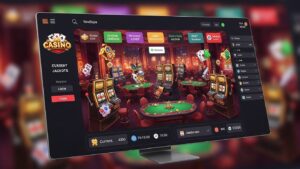
The landscape of digital entertainment has dramatically shifted over the past few decades, with the rise of iGaming being one of the most notable transformations. What began as a small, niche sector has exploded into a multi-billion-dollar global industry that attracts millions of players worldwide. From online casinos to sports betting, poker, and even esports, iGaming offers a variety of gaming experiences that cater to a diverse audience. This blog post delves into the world of iGaming, examining its growth, technological innovations, popular game formats, and its future outlook in the ever-evolving digital entertainment landscape.
What is iGaming?
In its simplest form, iGaming refers to gambling or gaming activities that take place over the internet. These activities can encompass a wide range of games where players can wager real money or participate in competitive gaming. The iGaming industry includes everything from traditional casino games like poker and roulette to newer forms of entertainment such as esports betting and daily fantasy sports.
Unlike traditional, land-based gambling, iGaming allows players to engage in their favorite games from anywhere in the world, using only an internet connection and a digital device. This level of accessibility, along with advancements in gaming technology, has contributed to the rapid rise and popularity of iGaming platforms globally.
The Growth of iGaming: A Digital Revolution
The evolution of iGaming is a reflection of the broader technological advancements that have shaped the digital world. Initially, online gambling was limited to a small group of enthusiasts, but as internet connectivity and user interfaces improved, the industry began to expand rapidly. The adoption of high-speed internet in the early 2000s allowed for smoother gameplay, faster transactions, and a broader array of games, leading to the growth of online casinos and sportsbooks.
The shift to mobile gaming further fueled the industry’s growth. With the introduction of smartphones and tablets, players no longer had to be tied to their desktop computers to play their favorite games. Mobile apps and responsive websites allowed players to gamble on the go, increasing accessibility and convenience. Today, mobile gaming accounts for a significant portion of the iGaming market, with a growing number of platforms offering fully optimized mobile versions of their games.
Alongside mobile gaming, the regulatory landscape of online gambling has also evolved. As more regions began to recognize the potential revenue from online gambling, governments began to put in place regulatory frameworks to oversee and license iGaming platforms. This shift has provided players with greater protections and has helped legitimize the industry in many countries. At the same time, it has allowed for more transparency and accountability within the sector, making online gambling safer for players.
Key Segments of the iGaming Industry
The iGaming world is diverse, offering a range of experiences tailored to different types of players. Some of the most popular segments within the iGaming industry include online casinos, sports betting, esports betting, online poker, and fantasy sports. Each of these segments appeals to different audiences, providing a variety of gaming options to suit all tastes.
Online Casinos
Online casinos are the backbone of the iGaming industry. They allow players to engage in virtual versions of traditional casino games, such as blackjack, roulette, baccarat, and a wide variety of slot machines. Online casinos often offer more game variety than their land-based counterparts, with hundreds or even thousands of games available for players to enjoy. These platforms can be accessed on desktops, laptops, and mobile devices, offering a flexible gaming experience.
One of the most significant innovations in online casinos has been the development of live dealer games. These games combine the convenience of online gaming with the authenticity of a traditional casino experience. Through high-definition video streaming, players can interact with real dealers in real time, replicating the atmosphere of a physical casino from the comfort of their homes.
Sports Betting
Sports betting is one of the oldest and most popular forms of gambling. It involves placing wagers on the outcome of sports events, such as football, basketball, tennis, and horse racing. The iGaming industry has revolutionized sports betting by making it easier and more convenient for players to place bets online. Today, there are numerous online sportsbooks offering a wide range of betting options, including pre-match betting, live in-play betting, and future betting.
Sports betting is especially popular during major sporting events, such as the FIFA World Cup, the Super Bowl, or the Olympics, where millions of fans place wagers on their favorite teams or athletes. The increasing legalization of sports betting in various countries, including parts of the United States, has further contributed to the growth of this segment within the iGaming industry.
Esports Betting
Esports, or competitive video gaming, has emerged as one of the fastest-growing sectors within iGaming. Esports tournaments, which feature professional players competing in games such as League of Legends, Dota 2, and Counter-Strike: Global Offensive, attract millions of viewers and generate significant revenue from sponsorships, ticket sales, and broadcasting rights.
Esports betting allows fans to place wagers on the outcome of these tournaments, much like traditional sports betting. The rise of esports has introduced a new generation of gamers and bettors to the world of iGaming, and the popularity of esports betting is expected to continue growing as the esports industry itself expands.
Online Poker
Online poker is one of the most enduring and popular forms of iGaming. The advent of online poker rooms, such as PokerStars and 888poker, revolutionized the game by enabling players to compete against others from all over the world. Online poker offers a wide variety of game formats, including Texas Hold’em, Omaha, and Seven-Card Stud, among others. Players can participate in cash games, tournaments, or sit-and-go events, with stakes ranging from low to high.
The competitive nature of poker, combined with the social interaction and strategy involved, has made online poker an appealing choice for players who enjoy games of skill. Major poker tournaments, such as the World Series of Poker (WSOP), now feature online qualifiers and have become a staple of the iGaming industry.
Fantasy Sports
Fantasy sports, especially fantasy football, have gained massive popularity in recent years. In fantasy sports, players create virtual teams composed of real-world athletes and earn points based on their performance in actual games. Platforms like DraftKings and FanDuel allow users to compete in daily or season-long fantasy leagues, offering the chance to win cash prizes.
The rise of daily fantasy sports (DFS) has made fantasy sports more accessible and flexible for players, as they can draft new teams each week rather than committing to a full season. Fantasy sports combine elements of strategy, sports knowledge, and chance, making them an attractive option for sports fans who want to engage with the games on a deeper level.
Technological Advancements Driving the iGaming Industry
One of the primary factors behind the growth of iGaming has been technological innovation. From faster internet speeds to the rise of mobile devices and the development of new gaming technologies, these advancements have helped create a more immersive and accessible experience for players. Below are some key technologies that are shaping the future of iGaming:
Mobile Gaming
Mobile gaming has played a pivotal role in the growth of iGaming, as it allows players to gamble or play games on their smartphones or tablets, anytime and anywhere. The increased use of smartphones and tablets has made iGaming more accessible to a wider audience, especially younger generations who are more likely to engage with digital entertainment on their mobile devices.
Many iGaming platforms now offer dedicated mobile apps or mobile-optimized websites, ensuring a seamless gaming experience on smaller screens. Mobile gaming has also facilitated the growth of live dealer games, as players can now interact with live dealers while on the go.
Virtual Reality (VR) and Augmented Reality (AR)
Virtual reality (VR) and augmented reality (AR) are two emerging technologies that are beginning to make an impact in the iGaming world. VR creates fully immersive environments where players can experience games as if they were physically present in a virtual casino or sportsbook. Players can interact with dealers and other players in real time, creating a more social and engaging experience.
Augmented reality (AR) overlays virtual elements on the real world, enhancing the player’s environment with additional information. In sports betting, for example, AR can display live stats or highlight key moments during a game. Both VR and AR have the potential to revolutionize the iGaming experience, providing players with a level of immersion and interactivity that was previously unimaginable.
Blockchain and Cryptocurrencies
Blockchain technology has gained significant attention in the iGaming industry due to its ability to provide transparency, security, and fairness. Blockchain ensures that gaming outcomes are verifiable and tamper-proof, which is especially important in the online gambling space. Some online casinos now use blockchain to guarantee that their games are fair and that all transactions are securely recorded.
Cryptocurrencies, such as Bitcoin, have also become increasingly popular in the iGaming industry. Players can use digital currencies to deposit and withdraw funds, often with greater anonymity and lower transaction fees compared to traditional payment methods. As cryptocurrencies continue to gain acceptance, they are likely to play an increasingly prominent role in the future of iGaming.
The Future of iGaming
The future of iGaming looks promising, with continued growth driven by technological innovation, regulatory developments, and evolving consumer preferences. The increasing legalization of online gambling in various regions will likely expand the global market, while mobile gaming, virtual reality, and cryptocurrencies will continue to shape the industry.
However, with growth comes responsibility. The iGaming industry must continue to prioritize responsible gambling measures, including tools to help players manage their spending and avoid addiction. The use of AI and machine learning will likely play a significant role in identifying risky behaviors and offering personalized support to players in need.
In conclusion, iGaming has come a long way from its humble beginnings. With technological advancements, greater regulatory clarity, and an expanding global market, the iGaming industry is well-positioned to continue evolving and offering innovative, exciting gaming experiences for players around the world. Whether you’re a fan of online casinos, sports betting,