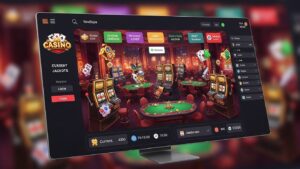
The world of entertainment has evolved drastically over the past few decades, and one of the most exciting transformations has been in the realm of iGaming. The convergence of technology, gambling, and entertainment has led to the rise of online gaming platforms that have become a global phenomenon. From the first online casinos to mobile gaming apps, iGaming has revolutionized the way we experience games, placing a world of opportunities at our fingertips. In this blog post, we’ll explore the history, impact, and future of iGaming, and how this industry is reshaping entertainment for millions around the globe.
What is iGaming?
iGaming, or internet gaming, refers to any form of gaming or gambling that takes place over the internet. It encompasses a broad range of activities, including online casinos, sports betting, poker, bingo, and more. Unlike traditional land-based casinos, iGaming allows players to participate in games from anywhere in the world, using their computers, smartphones, or tablets.
The digital nature of iGaming means that players can access a vast variety of games, from classic casino games like blackjack and roulette to newer, innovative offerings such as live dealer games, virtual sports, and skill-based competitions. The online gaming environment is also continually evolving, with advancements in technology pushing the boundaries of what’s possible in terms of game design, user experience, and player engagement.
A Brief History of iGaming
The iGaming industry has come a long way since its inception. The journey can be traced back to the 1990s when the first online casinos began to appear on the scene. In 1994, Antigua and Barbuda passed the Free Trade & Processing Act, which allowed licenses to be granted to online gambling operators. This laid the foundation for the creation of the first real money online casinos, which began to accept players from all over the world.
In the late 1990s and early 2000s, the rise of internet technology and the proliferation of personal computers led to an explosion of online gambling sites. Early adopters of the internet were drawn to the ease of access and the promise of instant entertainment and rewards. Popular games like poker and blackjack became available to play online, and the first poker rooms began to emerge, sparking a global poker boom.
By the mid-2000s, mobile phones had started to integrate internet access, giving rise to mobile gambling. This shift allowed players to engage in iGaming on the go, bringing an entirely new level of convenience and accessibility to the industry. Over time, the growth of broadband internet, advancements in graphic technology, and the introduction of secure online payment systems paved the way for iGaming to flourish.
The Growth of iGaming: Key Factors
Several factors have contributed to the rapid growth of the iGaming industry over the past two decades. Here are a few key elements that have driven this sector’s expansion:
1. Advancements in Technology
One of the most significant drivers of the iGaming revolution has been advancements in technology. The development of high-speed internet, improved software, and high-definition graphics has transformed the gaming experience. Today, players can enjoy immersive environments that replicate the excitement of a brick-and-mortar casino, thanks to cutting-edge technologies like virtual reality (VR), augmented reality (AR), and 3D graphics.
Furthermore, innovations in mobile technology have enabled players to gamble anytime and anywhere. Mobile applications have become an essential part of the iGaming ecosystem, allowing players to access their favorite games with just a few taps on their smartphones.
2. Global Accessibility
One of the defining features of iGaming is its accessibility. Unlike traditional gambling establishments, which require physical travel to a specific location, iGaming allows players to participate from virtually anywhere in the world, as long as they have an internet connection. This has led to a massive increase in the number of players globally, particularly in markets where gambling may be restricted or less accessible.
Moreover, online casinos and gaming platforms offer a wide variety of language options, making it easier for people from different cultures and backgrounds to participate in the global gaming community.
3. Variety of Games
iGaming platforms cater to an extensive array of gaming preferences. Whether it’s classic casino games like poker, blackjack, and baccarat, or newer genres like esports betting and fantasy sports, there’s something for everyone. The variety of games available allows platforms to appeal to different types of players, attracting both casual gamers and serious bettors alike.
4. Regulation and Security
The rise of online gambling has also been accompanied by increased regulation and improved security measures. Countries around the world have introduced laws to ensure that online gambling is conducted fairly and transparently. Licensing authorities such as the UK Gambling Commission, Malta Gaming Authority, and Curacao eGaming have set standards for operators to follow, ensuring that players have a safe and secure experience.
Additionally, advancements in encryption technologies and secure payment gateways have made online transactions more secure than ever before. This has built trust among players, encouraging them to engage with online casinos and sportsbooks without fear of fraud or identity theft.
iGaming and the Rise of Esports
One of the most exciting developments in the iGaming world has been the rise of esports betting. Esports refers to competitive video gaming, where professional players and teams compete for prizes in organized tournaments. Popular games like Dota 2, League of Legends, and Counter-Strike have become international sensations, attracting millions of viewers and participants.
Esports betting has gained significant traction in recent years, with major sportsbooks offering odds on esports events. This has led to the creation of an entirely new category within the iGaming industry, where players can bet on the outcomes of live gaming tournaments and matches. Esports betting has become an integral part of the broader gaming ecosystem, blending traditional gambling with the digital world of competitive gaming.
The Role of Virtual Reality in iGaming
As technology continues to evolve, virtual reality (VR) is poised to have a massive impact on the future of iGaming. VR has the potential to transform the way players interact with online games, making them more immersive and realistic. Imagine walking through a virtual casino, sitting at a poker table with other players, or even exploring virtual worlds in a massively multiplayer game – all from the comfort of your own home.
VR gaming is still in its infancy, but it holds significant promise for the iGaming industry. Companies are already experimenting with VR casinos and poker rooms, creating realistic environments where players can interact with each other in real-time. As VR technology becomes more accessible and affordable, it’s expected to become a major part of the iGaming experience.
The Future of iGaming
Looking ahead, the future of iGaming seems incredibly promising. As technology continues to advance, we can expect even more innovative developments that will redefine the way we play and gamble online. Here are some potential trends and developments to watch for:
1. Increased Use of Artificial Intelligence
Artificial intelligence (AI) has already started to play a role in iGaming, particularly in areas such as personalized recommendations, customer support, and fraud detection. In the future, AI could be used to create even more personalized gaming experiences, where the system learns a player’s preferences and behavior to tailor game suggestions, promotions, and bonuses. AI-powered chatbots may also become more sophisticated, providing players with real-time assistance and troubleshooting.
2. Blockchain and Cryptocurrency Integration
The rise of blockchain technology and cryptocurrencies like Bitcoin has opened up new possibilities for iGaming. Blockchain offers transparency and security in online transactions, while cryptocurrencies provide players with fast and anonymous payment options. Several iGaming platforms have already begun accepting cryptocurrencies, and it’s expected that this trend will continue to grow as more players seek out secure, decentralized payment methods.
3. Social Gaming and Community Integration
The social aspect of gaming is expected to grow in prominence within iGaming platforms. Online casinos and sportsbooks may incorporate more social features, such as live chat, multiplayer tournaments, and shared experiences, to create a sense of community among players. Social gaming has already taken off in mobile and casual gaming, and its integration into the iGaming space is a natural evolution of this trend.
4. Sustainability and Responsible Gambling
With the growth of the iGaming industry, there is an increasing focus on sustainability and responsible gambling. Operators are working to develop tools and policies that help players manage their gambling habits, such as self-exclusion options, deposit limits, and mental health support services. Additionally, the industry is exploring eco-friendly practices, such as using renewable energy sources to power gaming servers and minimizing carbon footprints.
Conclusion
iGaming has come a long way from its humble beginnings in the mid-1990s to become a multi-billion-dollar industry that spans the globe. The continuous advancements in technology, mobile accessibility, and game variety have reshaped the way players interact with gaming platforms, creating an exciting and immersive experience for millions of people. As the industry continues to innovate and evolve, it’s clear that iGaming will remain a key player in the future of entertainment, blending the worlds of gaming, gambling, and digital interaction in ways that were once unimaginable. The digital revolution of iGaming is far from over, and its potential for growth is limitless.