Introduction
The world of entertainment has undergone a massive transformation in the past two decades, and one of the most influential developments in this evolution is the rise of iGaming. The term iGaming encompasses all forms of interactive online gaming where players can wager real money, including online casinos, poker rooms, sports betting, and virtual slot machines. As technology continues to advance, iGaming has expanded from a niche market into a global entertainment powerhouse, attracting millions of players and generating billions in revenue each year.
The growth of iGaming is not merely a technological shift; it represents a cultural and social change in how people experience fun, excitement, and competition. This blog delves into the journey, impact, and future of iGaming, exploring how it has shaped digital entertainment and what lies ahead for this rapidly evolving industry.
The Birth and Evolution of iGaming
The roots of iGaming can be traced back to the early 1990s when the internet began to gain popularity. In 1994, the first online casino was launched, marking the beginning of a digital revolution in gambling and entertainment. Initially, the technology was basic, offering limited game selections and simple graphics. However, the excitement of being able to play and bet from home attracted users quickly.
By the early 2000s, improvements in internet connectivity and the introduction of secure payment methods propelled the iGaming industry forward. Players could now access a wider range of games, experience improved graphics, and enjoy real-time interactions. As smartphones emerged in the 2010s, the industry entered another era of growth. Mobile iGaming apps became mainstream, allowing players to engage anytime, anywhere.
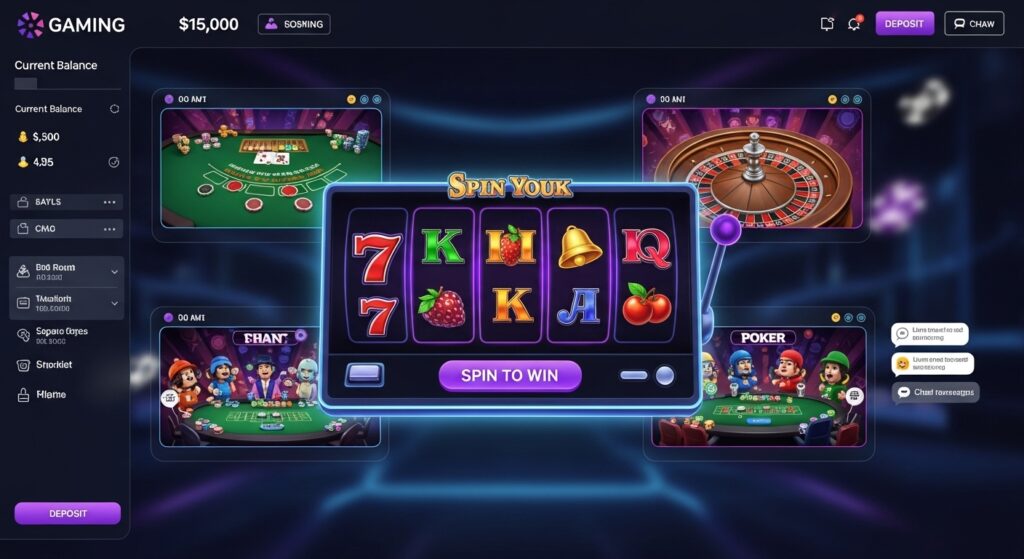
Today, iGaming platforms have evolved into immersive environments featuring 3D graphics, live dealers, and multiplayer experiences that replicate real-world casino settings. From the early days of dial-up internet to high-speed mobile connectivity, iGaming’s evolution reflects the broader progress of digital innovation.
The Core of iGaming: What Makes It So Popular
One of the key reasons for the massive success of iGaming lies in its accessibility. Traditional casinos require physical presence, travel, and time, while iGaming platforms allow players to participate from the comfort of their homes. This convenience factor is complemented by a variety of entertainment options, from virtual poker tournaments to live blackjack sessions streamed in real time.
Another major attraction is the diversity of games and experiences. Unlike physical venues that are limited by space and resources, online platforms can host thousands of games, themes, and betting styles. This abundance caters to different preferences and keeps players constantly engaged.
The social aspect of iGaming also plays a vital role. Many platforms now integrate live chat features, community tournaments, and multiplayer modes that allow users to interact with others globally. This sense of connection and competition mirrors real-world experiences, fostering engagement and loyalty among players.
Additionally, the use of advanced graphics, sound effects, and interactive storytelling has turned iGaming into a form of digital entertainment that rivals even modern video games. It is not just about betting anymore; it’s about experiencing an entire world of virtual excitement.
The Technology Powering iGaming
Behind every successful iGaming platform lies a combination of cutting-edge technologies that ensure seamless gameplay, fairness, and security. Random Number Generators (RNGs) are used to ensure that all game outcomes are fair and unpredictable. This technology is crucial in maintaining player trust and preventing manipulation.
Artificial Intelligence (AI) and Machine Learning (ML) have also become integral to iGaming. These technologies help personalize user experiences by analyzing player behavior, preferences, and playing habits. AI-driven systems can recommend suitable games, provide customer support, and detect potential fraud or gambling addiction patterns.
Blockchain technology is another significant advancement influencing iGaming. With its decentralized and transparent nature, blockchain allows for secure transactions, instant payments, and the creation of verifiable gaming records. Many platforms have started accepting cryptocurrencies, adding another layer of flexibility and anonymity for users.
The introduction of Virtual Reality (VR) and Augmented Reality (AR) has further redefined iGaming experiences. Players can now enter digital casinos using VR headsets and interact with virtual dealers and other players as if they were physically present. This immersive approach bridges the gap between traditional and digital gaming, making the experience more realistic than ever before.
The Global Reach of iGaming
iGaming has become a truly global phenomenon, reaching audiences across continents. Regions like Europe, Asia, and North America dominate the market, with countries like the United Kingdom, Malta, and the Philippines serving as regulatory hubs for online gaming operations. The widespread adoption of smartphones and faster internet speeds in developing countries has further fueled the growth of iGaming markets.
In recent years, the legalization and regulation of online gambling in various regions have added legitimacy to the industry. Governments recognize the potential for job creation and tax revenue, leading to more structured frameworks and safer environments for players. As a result, the industry continues to grow steadily, with millions of users participating daily in online betting, casino games, and esports wagering.
Responsible Gaming and Ethical Challenges
While iGaming offers entertainment and excitement, it also presents challenges related to addiction, fraud, and ethical concerns. The convenience of online access means that players can easily lose track of time and money. Therefore, many platforms have implemented responsible gaming features such as deposit limits, self-exclusion tools, and reality checks to help players manage their habits responsibly.
Regulatory bodies play a crucial role in maintaining fair and transparent practices within the industry. Licensing authorities enforce rules regarding advertising, data protection, and fair play to ensure that both operators and players act responsibly. Education campaigns about safe gambling practices also help reduce the potential negative impacts of excessive gaming behavior.
Moreover, the use of AI and data analytics enables companies to identify risky player patterns early and provide intervention options before problems escalate. The industry’s focus on ethical operations demonstrates its maturity and long-term sustainability goals.
The Economic Impact of iGaming
The financial footprint of iGaming is immense. The industry generates billions in revenue globally each year and continues to expand at a rapid pace. The economic benefits extend beyond the companies that operate gaming platforms. Software developers, payment processors, cybersecurity firms, and marketing agencies all thrive as part of the iGaming ecosystem.
Job opportunities in the sector range from game design and data analysis to customer support and compliance. Governments also benefit through licensing fees and taxation, using this revenue to support public services and infrastructure. In many countries, iGaming has become a significant contributor to the digital economy, showcasing how technology-driven entertainment can fuel broader economic growth.
The Future of iGaming
As technology advances, the future of iGaming appears brighter than ever. One major trend shaping the next generation of iGaming is the integration of artificial intelligence and automation in user experience. Personalized gaming environments will become standard, offering tailored recommendations, bonuses, and interactive storylines based on player behavior.
The metaverse is another frontier that could transform iGaming. This concept of a connected virtual universe could host fully immersive casinos, sports arenas, and gaming lounges where users can interact as digital avatars. Combined with blockchain and cryptocurrency payments, the metaverse could redefine how players perceive ownership, engagement, and value within digital gaming.
Additionally, regulations are expected to become more standardized worldwide, ensuring fair play and responsible operations across jurisdictions. With continued innovation, iGaming will likely evolve into a hybrid form of entertainment blending gambling, gaming, and social networking.
Conclusion
iGaming stands as one of the most dynamic and transformative forces in the modern entertainment landscape. What began as a simple experiment in online betting has evolved into a multi-billion-dollar industry driven by technology, innovation, and user engagement. From mobile apps to virtual reality casinos, the journey of iGaming reflects humanity’s constant pursuit of new ways to experience excitement and connection.
As digital transformation accelerates, iGaming will continue to adapt, offering immersive, secure, and responsible experiences to a growing global audience. The combination of creativity, technology, and regulation ensures that this industry is not just a fleeting trend but a cornerstone of the future of entertainment.
In a world where boundaries between reality and the digital realm are increasingly blurred, iGaming represents more than just online betting—it symbolizes the evolution of play, pleasure, and progress in the digital age.