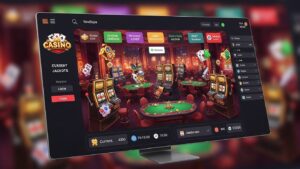
The iGaming industry has exploded in recent years, quickly transforming from a niche sector into a massive global entertainment phenomenon. The term “iGaming” refers to interactive gambling or online gaming activities that take place on digital platforms. Whether it’s sports betting, online casino games, poker, or eSports, iGaming offers a wide range of entertainment options that cater to diverse audiences worldwide. But what’s behind this rapid rise? Why has iGaming become such a prevalent form of entertainment, and how is it changing the way people engage with games and gambling?
In this blog post, we will explore the dynamics of iGaming, its current trends, the factors fueling its growth, and the potential challenges and opportunities it faces in the future. From technological advancements to changes in regulation, the iGaming sector is poised for continued transformation, making it an exciting space for both players and investors.
The Rise of iGaming: A Revolution in Digital Entertainment
The advent of the internet has opened new doors for entertainment, and iGaming is one of the most prominent beneficiaries of this digital revolution. While traditional gambling activities such as land-based casinos and sports betting have been around for centuries, the shift toward online platforms has significantly altered how people gamble and play games.
Historically, gambling was a physical activity. Casinos, poker rooms, and sportsbooks were confined to specific locations, often in cities that attracted tourists. However, with the rise of the internet, the convenience of online access allowed players from all over the world to engage in gambling activities without leaving their homes. This shift to digital platforms has not only expanded the reach of gambling but also introduced a broader range of games and betting options than what was previously available.
Today, iGaming encompasses everything from online poker tournaments and live casino experiences to sports betting and virtual slot machines. The transition to digital formats has made gambling more accessible, allowing players to enjoy a wide variety of options at their own convenience. Whether it’s a late-night poker game or a quick bet on a football match, iGaming has revolutionized how people interact with gambling.
Key Drivers Behind the Growth of iGaming
Several factors have contributed to the rapid growth of iGaming, ranging from technological innovations to cultural shifts in attitudes towards gambling. Let’s take a look at the most significant drivers behind the success of the iGaming industry.
1. Technological Advancements and Accessibility
The most significant contributor to the growth of iGaming is the advancement of technology. High-speed internet, mobile devices, and the development of cutting-edge software have made it easier than ever for users to access online gaming platforms. Mobile applications, in particular, have enabled users to play their favorite casino games or place bets on the go, making gaming experiences more flexible and available 24/7.
The development of live-streaming technologies has also enhanced the gaming experience. Live dealer games, where players can interact with real-life dealers through video feeds, have become increasingly popular. These games combine the thrill of land-based casinos with the convenience of online platforms, offering a more immersive and social experience than traditional online games.
2. The Rise of Mobile Gaming
Mobile gaming is another key factor driving the success of iGaming. Today, smartphones and tablets are ubiquitous, and the iGaming industry has capitalized on this trend by offering apps and mobile-friendly websites. Players can now gamble at their convenience, whether they are at home, on a train, or waiting in line at a coffee shop.
Mobile devices are also more capable of handling complex games, including graphics-intensive casino slots, live dealer games, and poker tables. This has allowed for an unprecedented level of accessibility and convenience, leading to a surge in the number of iGaming participants.
3. Cultural Shifts and Changing Attitudes Toward Gambling
In many parts of the world, gambling was historically viewed as a vice or a taboo subject. However, changing societal attitudes, along with the increasing popularity of online gambling platforms, have led to a more relaxed view of iGaming. The accessibility of online gaming has helped normalize gambling as a form of entertainment, especially as younger generations are exposed to it through online and mobile platforms.
Moreover, the growing popularity of eSports, which is heavily intertwined with iGaming, has introduced a new demographic to the world of digital gaming and betting. With millions of fans worldwide, eSports events offer new opportunities for betting and gaming, further blurring the lines between traditional and digital entertainment.
The Variety of iGaming: A World of Options for Every Player
One of the key reasons iGaming has become so successful is the variety of games and betting options it offers. From traditional casino games to new-age betting, the scope of iGaming is vast, ensuring that there’s something for everyone. Let’s explore the main categories of iGaming and what makes them so appealing.
1. Online Casino Games
Online casinos are the cornerstone of the iGaming industry. Games like slots, blackjack, roulette, baccarat, and video poker are staples of online gambling platforms. The digital version of these games often features enhanced graphics, animations, and a broader range of themes compared to their land-based counterparts. Additionally, many online casinos offer progressive jackpots, which have the potential to accumulate massive prize pools over time.
Live casino games have also gained popularity. These games are streamed in real-time from professional studios, allowing players to interact with dealers and other participants. Games such as live blackjack, roulette, and poker bring the real-world casino experience into the digital realm, adding a layer of authenticity to the iGaming experience.
2. Sports Betting
Sports betting is one of the most lucrative segments of the iGaming industry. Players can place bets on a wide variety of sports, ranging from football, basketball, and soccer to more niche sports like cricket, esports, and even virtual sports. The ease of placing bets online, combined with the wealth of information available through sports analytics, has made sports betting a popular choice for millions of players.
Moreover, the rise of live sports betting has added an exciting new dimension to traditional betting. With real-time odds and the ability to place bets during a game, players can react to events as they unfold, making the experience more dynamic and engaging.
3. Poker and eSports Betting
Poker has long been a popular game in both land-based and online casinos. Online poker rooms allow players from across the world to compete against one another, with both cash games and tournaments available. Major poker tournaments like the World Series of Poker (WSOP) now have online versions, attracting millions of players.
eSports betting has also become a prominent part of the iGaming industry. With the rise of competitive gaming, betting on eSports tournaments has gained popularity. Fans can place wagers on games like League of Legends, Counter-Strike, Dota 2, and Fortnite, among others. The professionalization of eSports, with its massive global audiences and high-stakes tournaments, has made it a natural fit for the iGaming landscape.
Regulatory Challenges and Responsible Gambling
While the iGaming industry continues to grow at an exponential rate, it faces significant regulatory challenges. Different countries and regions have varying laws regarding online gambling, which makes it difficult for operators to maintain a consistent global approach. In some places, online gambling is fully legalized and regulated, while in others, it remains illegal or heavily restricted. This patchwork of regulations creates hurdles for both operators and players, as they must navigate complex legal frameworks to ensure compliance.
In addition to regulation, responsible gambling remains a critical concern. The anonymity and ease of access to online gambling platforms can make it easier for individuals to develop gambling problems. As a result, the industry has taken steps to implement responsible gambling practices, including self-exclusion programs, deposit limits, and age verification protocols. Many iGaming platforms also provide players with information on how to seek help if they are struggling with gambling addiction.
The Future of iGaming: Trends to Watch
The future of iGaming is filled with exciting possibilities. As technology continues to advance, new innovations will shape the industry. One such development is the integration of blockchain technology and cryptocurrencies. Many iGaming platforms are already beginning to accept digital currencies like Bitcoin and Ethereum, which could provide players with more secure, fast, and anonymous transactions.
Virtual reality (VR) and augmented reality (AR) are also poised to change the way we experience online gaming. Imagine stepping into a virtual casino where you can interact with other players, move around the casino floor, and play games in an immersive, 3D environment. These technologies have the potential to make iGaming even more engaging and realistic.
The continued integration of artificial intelligence (AI) will also improve user experience. AI can help personalize gaming experiences, optimize odds for sports betting, and even improve security measures to prevent fraud and cheating. Additionally, AI can assist operators in identifying and responding to problematic gambling behavior, ensuring that players are protected from harm.
Conclusion: iGaming’s Bright Future
The iGaming industry has come a long way in a short period of time, and it’s clear that its growth is not slowing down. From technological advancements to the wide variety of games and betting options available, iGaming offers something for everyone. While regulatory challenges and responsible gambling concerns remain important issues, the industry is taking steps to address them in order to maintain a sustainable and enjoyable environment for players.
Looking ahead, the future of iGaming is filled with opportunities. As technology continues to advance and new trends emerge, the digital gambling space will only continue to evolve. Whether it’s through the integration of VR, the growth of eSports, or the adoption of cryptocurrencies, iGaming is poised to remain at the forefront of digital entertainment for years to come.