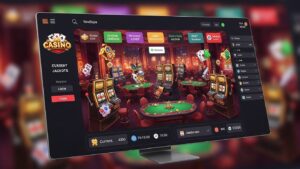
In recent years, the entertainment industry has witnessed a seismic shift with the rise of iGaming. Short for “interactive gaming,” iGaming encompasses online gambling, virtual casinos, sports betting, and other forms of digital betting experiences. This burgeoning sector has not only reshaped the way people interact with games but has also created a dynamic ecosystem of technology, regulation, and user engagement.
The Evolution of iGaming
The history of iGaming traces back to the early days of the internet when simple online poker and casino games emerged. Over the last two decades, advancements in technology, mobile devices, and internet speed have revolutionized the way users experience gambling. From rudimentary text-based games to sophisticated virtual reality casinos, the evolution of iGaming has been extraordinary. Today, players can enjoy high-definition graphics, immersive sound effects, and real-time interactions with dealers and other participants from the comfort of their homes.
Understanding the Scope of iGaming
iGaming is not just limited to online casinos. The sector includes a variety of gaming options such as poker, bingo, lottery games, sports betting, and esports betting. Each category caters to a specific demographic and preference. For instance, sports betting attracts users who enjoy analyzing statistics and outcomes, while casino games appeal to players seeking entertainment and thrill. The diversity in offerings has played a crucial role in the rapid growth and widespread adoption of iGaming.
The Role of Technology in iGaming
Technology has been the cornerstone of iGaming’s success. High-speed internet, cloud computing, artificial intelligence, and mobile applications have collectively enhanced the user experience. AI-powered algorithms personalize gameplay, suggesting games based on user preferences and behavior. Mobile platforms have enabled gaming on the go, ensuring that users can access their favorite games anytime, anywhere. Furthermore, advanced security measures, including encryption and two-factor authentication, have made online gambling safer than ever.
Legal and Regulatory Landscape
One of the defining aspects of iGaming is the regulatory environment. Different countries have varying laws and policies governing online gambling. Some nations have embraced it as a legitimate form of entertainment and revenue generation, while others have imposed strict restrictions or outright bans. Regulatory frameworks ensure fairness, transparency, and responsible gambling. Licensing authorities monitor operators to prevent fraud and maintain ethical standards, making legal compliance a crucial component for sustainable iGaming operations.
The Economic Impact of iGaming
iGaming is not only a source of entertainment but also a significant contributor to the global economy. The industry generates billions in revenue annually and creates employment opportunities in technology, marketing, customer support, and game development. Governments also benefit through taxation and licensing fees. The economic impact extends beyond operators, influencing software developers, payment service providers, and even content creators who produce gaming-related material.
Player Engagement and Community Building
A key factor driving the popularity of iGaming is player engagement. Interactive features such as live dealer games, multiplayer tournaments, and loyalty programs enhance user involvement. Online forums, social media groups, and gaming communities further foster a sense of belonging among players. This community-driven approach has transformed gaming from a solitary activity into a social experience, where players can share strategies, achievements, and even form lasting friendships.
Responsible Gaming and Player Safety
With the rise of iGaming, responsible gaming has become an essential topic. Operators are increasingly focused on promoting safe gambling practices. Features like deposit limits, self-exclusion options, and reality checks help prevent addiction and financial harm. Education on responsible gaming is also vital, ensuring that players are aware of the risks and make informed decisions. A balance between entertainment and safety is key to sustaining trust and long-term engagement in the industry.
The Future of iGaming
The future of iGaming looks promising, with emerging technologies set to redefine the experience further. Virtual reality (VR) and augmented reality (AR) are bringing immersive casino environments to life, offering players the sensation of being in a real-world setting. Blockchain and cryptocurrency integration are enhancing transparency, security, and payment efficiency. Additionally, the rise of esports and competitive gaming has opened new avenues for betting and interactive experiences. As technology continues to evolve, the iGaming landscape will expand, providing innovative experiences for players worldwide.
Marketing and Personalization Strategies
Marketing in iGaming has evolved beyond traditional advertisements. Operators leverage data analytics to understand player behavior and offer personalized promotions. Email campaigns, push notifications, and in-app messaging ensure users are engaged without feeling overwhelmed. Gamification elements, such as challenges, achievements, and rewards, further enhance retention. Effective marketing not only attracts new players but also fosters loyalty, creating a sustainable player base.
Challenges Facing the iGaming Industry
Despite its growth, iGaming faces several challenges. Regulatory compliance remains complex due to the global nature of the industry. Payment processing, fraud prevention, and cybersecurity are ongoing concerns. Additionally, the perception of gambling as a risky activity can hinder mainstream adoption. Operators must continuously innovate, maintain trust, and balance profitability with ethical responsibility to navigate these challenges effectively.
The Role of Mobile Gaming
Mobile gaming has been a game-changer in the iGaming industry. Smartphones and tablets have made gaming more accessible, allowing players to participate in real-time betting and casino games from virtually anywhere. App-based platforms offer seamless user interfaces, instant notifications, and integration with digital wallets, enhancing convenience. Mobile optimization is now a critical factor for operators aiming to attract and retain players in a competitive market.
The Impact of Social Gaming
Social gaming has blurred the line between traditional gaming and gambling. Platforms that allow players to interact, compete, and share achievements have become immensely popular. Social elements create a more engaging experience, encouraging users to spend more time on platforms. The incorporation of social features in iGaming helps build brand loyalty and increases the likelihood of player retention.
Innovation Through Artificial Intelligence
Artificial intelligence is revolutionizing iGaming by making platforms smarter and more adaptive. AI algorithms predict player behavior, optimize game design, and detect unusual activities that may indicate fraud or problem gambling. Chatbots provide instant customer support, improving user satisfaction. Personalized recommendations powered by AI make the gaming experience more enjoyable and tailored to individual preferences, keeping players engaged longer.
iGaming and the Global Audience
One of the most remarkable aspects of iGaming is its global reach. Unlike traditional casinos limited by geography, online platforms cater to a worldwide audience. Localization, language support, and cultural customization allow operators to connect with players from diverse backgrounds. This global accessibility has fueled exponential growth, making iGaming one of the most inclusive entertainment industries in the digital era.
Conclusion
iGaming represents a dynamic fusion of technology, entertainment, and interactivity. From its humble beginnings to the sophisticated, immersive experiences available today, the industry has continuously evolved to meet the demands of a global audience. While challenges such as regulation, security, and responsible gaming persist, the opportunities for innovation and economic growth are immense. As technology continues to advance, iGaming will likely remain at the forefront of digital entertainment, offering exciting experiences, community engagement, and economic benefits worldwide.