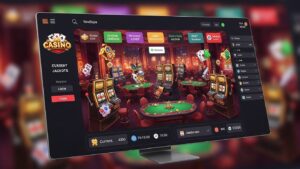
The world of online gambling has undergone tremendous growth over the last two decades, and the term “iGaming” has evolved into a global phenomenon. iGaming, or interactive gaming, refers to any type of online gambling activity, including casino games, poker, sports betting, and more. The increasing accessibility of the internet, advances in technology, and shifting attitudes towards gambling have all contributed to this expansion. But what makes iGaming stand out from traditional gambling, and what does the future hold for this ever-evolving industry? This blog delves into the trends, technologies, and developments shaping the future of iGaming.
What is iGaming?
iGaming refers to all forms of online gambling, which can include casino games (like slots, blackjack, or roulette), online sports betting, virtual poker rooms, and online lottery. It encompasses both gambling activities that involve traditional forms of play, like slot machines or card games, as well as newer forms of virtual entertainment such as esports betting. The defining characteristic of iGaming is that it is played over the internet, using either a computer or a mobile device.
The distinction between iGaming and traditional gambling lies mainly in the medium of interaction. In the traditional sense, gambling typically involves physical casinos or land-based sports betting establishments. iGaming, on the other hand, takes place online, often offering users the convenience to gamble from the comfort of their homes or on-the-go.
The Rapid Growth of iGaming
Over the last decade, the growth of iGaming has been explosive. It’s not just the large number of players who are flocking to online casinos or sportsbooks, but the increasing number of countries legalizing online gambling. According to a report from Grand View Research, the global online gambling market size was valued at $58.9 billion in 2021, and it is expected to expand at a compound annual growth rate (CAGR) of 11.9% from 2022 to 2030.
Several factors have contributed to this growth. One of the most significant drivers is the increased use of mobile devices. Smartphones and tablets have made it easier for users to gamble on the go, resulting in the rise of mobile-first gambling platforms. Moreover, advances in internet speeds, particularly with the rollout of 5G technology, have created smoother and more immersive online gambling experiences.
Additionally, the growing popularity of esports has also been a factor. Esports betting, where players can wager on competitive video game matches, is now a staple of many iGaming platforms. The industry has embraced a younger, tech-savvy audience who are more likely to engage in online betting for traditional sports and esports alike.
Technological Innovations Shaping iGaming
The iGaming industry is constantly evolving, and technology plays a critical role in this progression. Several key technological innovations are driving the future of iGaming.
1. Virtual Reality (VR) and Augmented Reality (AR)
One of the most exciting technological developments in iGaming is the integration of Virtual Reality (VR) and Augmented Reality (AR) into online casinos. VR allows players to step into fully immersive 3D environments, creating the sensation of being in a real-life casino, while AR can enhance the user’s experience by overlaying digital information into the real world. These technologies are making online gambling feel more interactive and engaging, allowing players to interact with the environment and other players in a way that traditional online gambling simply cannot offer.
VR casinos are still in their infancy, but several developers have already begun to experiment with creating virtual gambling environments that mimic land-based casinos. Players can walk around, chat with dealers, and play games in a way that feels closer to physical casinos. As VR technology improves, it’s expected that the experience will become even more lifelike and accessible.
2. Blockchain and Cryptocurrencies
Blockchain technology is rapidly becoming a major player in the iGaming world. Blockchain offers decentralized, secure, and transparent transactions, which are essential for an industry that deals with real money. Cryptocurrencies like Bitcoin and Ethereum are increasingly being accepted by iGaming platforms as a form of payment. This integration not only provides an extra layer of security but also offers players the convenience of faster transactions, lower fees, and anonymity.
The use of blockchain also enables the creation of provably fair gaming. In traditional online gambling, players must trust the operator to be fair, but blockchain technology allows players to independently verify the fairness of each game. As a result, the rise of cryptocurrencies and blockchain solutions in iGaming is enhancing both the player experience and the integrity of online gambling platforms.
3. Artificial Intelligence (AI) and Machine Learning
Artificial Intelligence (AI) and machine learning are playing an increasingly significant role in the iGaming industry. These technologies are used to create more personalized and dynamic experiences for players. AI can analyze player behavior to offer tailored recommendations, special bonuses, or even custom gaming experiences that suit the preferences of each user.
Additionally, AI is being used to improve customer service within iGaming platforms. Chatbots, powered by AI, are becoming commonplace, offering real-time assistance to players, whether it’s answering common questions or helping players troubleshoot issues. AI-powered systems are also being used to monitor and detect fraudulent activities, ensuring fair play and maintaining the integrity of online casinos.
4. Live Dealer Games
Live dealer games have become one of the most popular features in iGaming. These games, which include blackjack, roulette, baccarat, and poker, are streamed live from a studio or casino floor to players’ devices. The presence of a real dealer and the ability to interact with them in real-time adds a layer of authenticity and excitement to the experience. Live dealer games are a perfect example of how technology is blending the line between online and offline gambling.
The rise of live dealer games is also helping to reduce the perception that online casinos are less “real” than their physical counterparts. Players can watch the action unfold in real time, making for a more engaging and immersive experience. The technology behind live streaming has greatly improved over the years, with high-definition video and seamless streaming quality making these games accessible to players across the globe.
Legalization and Regulation of iGaming
One of the most crucial aspects of the iGaming industry is the evolving landscape of regulation and legalization. In many countries, gambling is heavily regulated, and online gambling has only been legalized in a select number of jurisdictions. However, as governments begin to realize the potential revenue that can be generated from regulating online gambling, more countries are considering legalization.
In the United States, for example, the 2018 Supreme Court ruling that lifted the federal ban on sports betting has sparked a wave of state-level legalization, allowing individual states to regulate sports betting within their borders. As of now, sports betting is legal in several states, and online casinos are beginning to follow suit. Other countries, such as the United Kingdom, have long had well-established regulatory frameworks for iGaming, creating a safer environment for players and operators alike.
Regulation is essential to ensure that online gambling is safe, secure, and fair. It also helps protect vulnerable populations from the risks of gambling addiction. As the iGaming market continues to grow, it is expected that more countries will introduce comprehensive regulatory frameworks to govern the industry.
The Future of iGaming
The future of iGaming is incredibly bright, with several exciting trends on the horizon. The continued integration of VR, AR, AI, and blockchain technologies will make online gambling experiences more immersive, secure, and personalized. Additionally, as new forms of gaming, such as esports betting and fantasy sports, continue to grow in popularity, iGaming will expand to cater to new audiences.
Another potential development is the convergence of iGaming and social media. Platforms are already starting to integrate social elements into their gambling experiences, allowing players to share their wins, compete against friends, and join community-based events. The future could see further integration of social gaming with traditional gambling models, creating a more interactive and social experience.
Moreover, the push for responsible gambling will likely remain a key focus in the coming years. Operators will continue to invest in tools and technologies to help players manage their gambling habits, including self-exclusion options, spending limits, and behavioral analysis tools.
Conclusion
iGaming has come a long way since its early days and is now a multi-billion-dollar global industry. With technological innovations driving the future of online gambling and an ever-growing market of players, the next few years will undoubtedly witness significant changes. Virtual reality, blockchain, artificial intelligence, and live dealer games are just the beginning of what’s to come. As the industry continues to grow, it will be essential for regulators, operators, and players to work together to ensure that the iGaming experience remains safe, secure, and enjoyable for all. The future of iGaming is not only about embracing new technologies but also about creating a fair and responsible gambling environment for everyone involved.