Introduction: The Hidden Struggle Behind the Screen
In the world of competitive gaming, success often shines in the spotlight while the struggles remain hidden behind the glowing screens. Esports has become a billion-dollar industry filled with fame, sponsorships, and fierce competition. Players train for countless hours to sharpen their skills, perfect their strategies, and climb the ranks. Yet, beneath the surface lies one of the most serious challenges every professional or aspiring gamer must face—burnout. Burnout is more than just exhaustion; it is a state of physical, mental, and emotional fatigue that can derail even the most talented players. Understanding what causes burnout, recognizing its signs, and learning how to overcome it are essential for sustaining a long and healthy esports career.
Understanding Burnout in Esports
Burnout in competitive gaming occurs when continuous stress, pressure, and overexertion lead to mental fatigue, emotional detachment, and loss of motivation. Unlike traditional sports, esports players often face long hours of screen time, irregular sleep schedules, and immense mental strain. The repetitive nature of practice sessions, constant need for improvement, and high expectations from fans and organizations can take a heavy toll. Many players start feeling drained not only physically but also emotionally, which affects their performance and overall well-being.
In essence, burnout is the body’s and mind’s way of signaling that something is wrong. It develops gradually, often unnoticed at first, but grows over time when rest and balance are neglected. Recognizing the problem early and addressing it is crucial for maintaining peak performance and avoiding long-term consequences.
The Causes of Burnout in Competitive Gaming
Several factors contribute to burnout in esports, each playing a significant role in draining a player’s energy and enthusiasm.
1. Intense Training Schedules
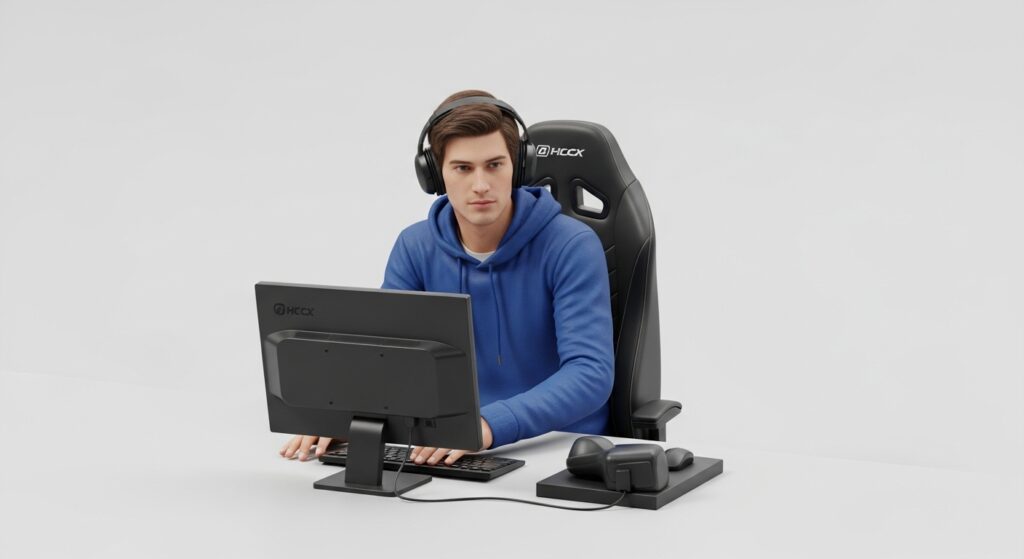
Professional gamers often practice for eight to twelve hours a day. Such long hours of gaming can lead to physical fatigue, eye strain, and mental exhaustion. Unlike other athletes who have varied training routines, esports players mostly remain seated and focused on screens for extended periods, which limits physical activity and recovery.
2. High Expectations and Pressure to Perform
The pressure to win, maintain rankings, and satisfy fans can become overwhelming. Esports is not just about gaming; it is also about maintaining a public image. The fear of losing sponsorships or being replaced by more consistent players can create a stressful environment that fuels burnout.
3. Lack of Work-Life Balance
Many players dedicate all their time to gaming, sacrificing sleep, social life, and hobbies. Without proper balance, even passion can turn into exhaustion. When gaming becomes more of an obligation than enjoyment, burnout becomes inevitable.
4. Online Harassment and Toxicity
Esports athletes often face criticism from fans and opponents on social media. Negative comments and constant scrutiny can harm mental health. The lack of separation between personal and professional identity online can make it difficult for players to escape the pressure, even outside the game.
5. Poor Team Dynamics
Team-based games rely heavily on communication and cooperation. When team chemistry is poor or internal conflicts arise, stress levels increase. A toxic team environment can make daily practice sessions feel like a burden, accelerating the onset of burnout.
6. Irregular Sleep and Poor Nutrition
Sleep deprivation and poor dietary habits are common among gamers. Many stay awake late into the night, consuming energy drinks and fast food. This unhealthy routine can impair concentration, reduce reaction time, and weaken the immune system, contributing to overall burnout.
Recognizing the Symptoms of Burnout
The signs of burnout are often subtle at first but grow more intense over time. Identifying these symptoms early can help in preventing more serious consequences.
1. Decreased Motivation
A once-passionate gamer may suddenly feel uninterested in playing or practicing. Matches that once brought excitement might now feel like a chore.
2. Declining Performance
Mental fatigue directly affects focus and decision-making. Burned-out players may find it harder to react quickly, maintain consistency, or adapt to opponents’ strategies.
3. Emotional Exhaustion
Constant stress and pressure lead to emotional numbness. Players might feel detached, irritable, or even hopeless about their performance and career.
4. Physical Fatigue
Although esports is not physically demanding in the traditional sense, sitting for long hours can cause back pain, eye strain, and headaches. Lack of sleep only worsens these physical issues.
5. Loss of Enjoyment
When burnout sets in, even winning may not feel rewarding anymore. The joy of gaming is replaced with frustration or emptiness.
6. Increased Frustration and Negative Thinking
Players may become more easily frustrated during games, blaming themselves or others for mistakes. Negative thoughts become more frequent, lowering confidence and morale.
The Impact of Burnout on Players and Teams
Burnout affects not only individual players but also their teams and organizations. A burned-out player struggles to perform consistently, which can disrupt team synergy and reduce overall results. In the long term, organizations may face challenges retaining talent, as many players retire early due to mental and physical exhaustion.
The esports industry thrives on passion and performance, but burnout can extinguish that passion. For teams, maintaining the well-being of their players is just as important as improving their strategies. The success of any competitive organization depends on the sustained motivation and health of its members.
Strategies to Prevent Burnout
Preventing burnout requires a proactive approach. Both individual players and teams must prioritize mental health, balanced routines, and self-care.
1. Establishing a Balanced Schedule
Players should set structured practice hours that allow time for rest, exercise, and recreation. Incorporating breaks between sessions can help refresh the mind and maintain focus. Quality practice matters more than endless hours of gameplay.
2. Prioritizing Sleep and Nutrition
Adequate rest is essential for recovery and mental sharpness. Players should aim for seven to eight hours of quality sleep each night. Additionally, a balanced diet rich in nutrients and hydration supports sustained energy and concentration.
3. Incorporating Physical Exercise
Physical fitness enhances mental health and endurance. Even simple routines such as stretching, walking, or yoga can counteract the physical strain of long gaming sessions. Regular exercise also boosts mood and improves overall energy levels.
4. Developing Mental Resilience
Mental resilience allows players to handle setbacks and pressure effectively. Techniques such as mindfulness, meditation, and breathing exercises can reduce stress and improve emotional control. Sports psychologists often help esports athletes build coping mechanisms to stay calm under pressure.
5. Maintaining Social Connections
Isolation increases the risk of burnout. Spending time with family and friends outside of gaming helps maintain perspective and emotional balance. Social support is a key factor in mental health recovery.
6. Setting Realistic Goals
Ambition is important, but unrealistic expectations can lead to frustration. Breaking goals into manageable steps allows for steady progress without overwhelming pressure. Celebrating small victories can renew motivation and confidence.
7. Taking Time Off
Scheduled breaks or short vacations allow players to recharge and return with renewed enthusiasm. Disconnecting from gaming for a while can help regain clarity and motivation.
The Role of Esports Organizations in Preventing Burnout
Organizations play a crucial role in maintaining the health of their players. A professional environment should not only focus on performance but also on well-being.
1. Providing Mental Health Support
Teams should employ psychologists or counselors who specialize in esports. Regular mental check-ins can help identify early signs of stress or burnout and provide strategies to manage them.
2. Encouraging Work-Life Balance
Organizations should design schedules that include rest days, reasonable practice hours, and physical activities. Overtraining should never be encouraged, as it harms long-term productivity.
3. Creating a Supportive Environment
Team managers and coaches should foster open communication where players can express concerns without fear. A positive environment helps players feel valued and supported.
4. Educating Players About Burnout
Workshops and training sessions can help players recognize symptoms of burnout and teach them how to prevent it. Knowledge and awareness empower players to take better care of themselves.
The Psychological Aspect of Recovery
Recovering from burnout takes time. It involves reestablishing emotional stability, rediscovering passion, and rebuilding self-confidence. Psychological recovery begins with acknowledging the problem and giving oneself permission to rest.
Players often feel guilty about taking breaks, fearing they will fall behind. However, mental health is essential for long-term success. Engaging in hobbies, exploring new interests, or simply spending time outdoors can restore creativity and motivation.
Therapy or counseling can also play a vital role in recovery. Speaking with professionals helps process emotions, identify unhealthy patterns, and develop new coping mechanisms. Recovery is not about returning immediately to full form; it is about creating a healthier, more sustainable approach to gaming.
How Professional Players Cope with Burnout
Many top esports athletes have faced burnout at some point in their careers. Their methods of recovery often involve reevaluating their routines and priorities. Some players reduce practice hours and focus on quality over quantity. Others take extended breaks to travel, explore hobbies, or spend time with loved ones.
A common theme among those who successfully overcome burnout is self-awareness. They learn to listen to their bodies and minds, identifying when stress begins to rise. By setting boundaries and embracing balance, they manage to sustain long-term careers without sacrificing their mental well-being.
The Importance of Mindset in Overcoming Burnout
A growth mindset—the belief that skills can be developed through effort—plays a key role in overcoming burnout. When players view challenges as opportunities to learn rather than threats to their success, they are less likely to feel defeated. This mindset encourages patience and self-compassion, allowing recovery without self-criticism.
Understanding that setbacks are natural and that rest is part of growth helps shift the focus from constant output to sustainable improvement. Mindset is not about ignoring stress but managing it wisely.
Technology and Burnout: Finding Balance
While technology drives esports, it can also contribute to burnout. The constant connectivity, notifications, and pressure to stay online can overwhelm players. Setting digital boundaries—such as limiting screen time outside of practice or avoiding social media before sleep—can help restore mental clarity.
Using technology responsibly is part of maintaining mental balance. Apps that promote mindfulness, track sleep, or remind players to take breaks can assist in building healthier routines.
Conclusion: Building a Sustainable Future in Esports
Overcoming burnout in competitive gaming is not just about managing fatigue; it is about building a lifestyle that supports both performance and well-being. The esports industry must recognize that success depends on the mental and physical health of its players. For individuals, understanding one’s limits, prioritizing rest, and nurturing balance are key to a long-lasting career.
Burnout is not a sign of weakness but a signal to pause, reassess, and heal. Every great player’s journey involves learning not just how to win games, but how to maintain harmony within themselves. As esports continues to grow, so must its focus on human sustainability. The future of competitive gaming lies not only in skill and technology but in the resilience and well-being of its players.