Introduction
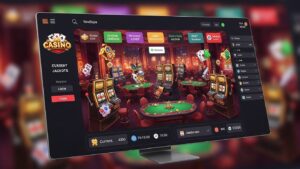
iGaming, the world of online gambling and digital betting, has grown exponentially over the past two decades. From simple online poker rooms to fully immersive digital casinos offering live dealers, virtual slot machines, and interactive sports betting, iGaming has become one of the most dynamic sectors in the entertainment industry. Beyond mere gambling, iGaming blends technology, strategy, and user experience to create a unique form of interactive entertainment. This blog explores the rise of iGaming, its impact on entertainment, technological advancements, regulatory considerations, and its evolving future.
The Evolution of iGaming
The roots of iGaming can be traced back to the mid-1990s, when the first online casinos emerged. Early platforms offered basic games such as blackjack, roulette, and poker, with limited graphics and slow connectivity. Despite these limitations, online gambling attracted players by providing convenience and accessibility that traditional brick-and-mortar casinos could not match.
As internet speeds improved and technology advanced, iGaming platforms became more sophisticated. Games adopted realistic graphics, interactive interfaces, and secure payment systems. Online poker tournaments became popular, drawing players from around the world and creating global communities of competitive gamblers. Today, iGaming spans online casinos, sports betting, poker rooms, bingo, and lottery platforms, appealing to a wide audience.
The Appeal of iGaming
The popularity of iGaming lies in its convenience, variety, and interactivity. Players no longer need to travel to physical casinos; they can access hundreds of games from their computers, smartphones, or tablets at any time. This accessibility has broadened the appeal of gambling, attracting casual players as well as serious enthusiasts.
iGaming also offers a vast variety of experiences. Traditional table games coexist with innovative video slots, live dealer games, and skill-based games. Players can participate in tournaments, interact with other players in real-time, and explore immersive themes and storylines. The gamification elements of iGaming, such as loyalty programs, challenges, and achievements, enhance engagement and provide incentives for continued play.
Technological Advancements in iGaming
Technology has been a driving force behind the growth of iGaming. High-definition graphics, sound effects, and animations create realistic and immersive environments. Random number generators ensure fair gameplay, while secure encryption protects transactions and personal data.
Live dealer technology has revolutionized the online casino experience. Using real-time video streaming, players can interact with professional dealers, replicating the social and immersive experience of a physical casino. Additionally, mobile apps and responsive websites have made iGaming accessible on any device, allowing seamless play anytime and anywhere.
Virtual reality and augmented reality are emerging trends in iGaming. VR casinos offer players the opportunity to navigate virtual casino floors, interact with other players, and experience games in a three-dimensional space. AR elements enhance interactivity by overlaying digital components onto real-world environments. These innovations suggest that the future of iGaming will be more immersive, engaging, and interactive than ever before.
The Role of Regulation and Licensing
iGaming is a highly regulated industry, with strict rules governing operations, licensing, and player protection. Regulatory bodies ensure that operators provide fair games, protect player funds, and implement responsible gambling practices. Licensing also provides players with confidence in the platform’s legitimacy and security.
Different regions have varying regulations. Some countries have fully legalized online gambling, while others impose restrictions or outright bans. Compliance with local laws is essential for operators, affecting game availability, payment methods, and promotional campaigns. Regulatory oversight ensures that iGaming remains a safe, transparent, and trustworthy form of entertainment.
iGaming and Responsible Gambling
While iGaming offers entertainment and excitement, it is crucial to promote responsible gambling. Players must set limits, manage budgets, and avoid chasing losses. Most reputable platforms offer tools to help players control their gambling habits, such as deposit limits, time reminders, and self-exclusion options.
Education and awareness are also key. Understanding odds, game mechanics, and risk management helps players make informed decisions. Responsible gambling initiatives protect both players and the industry, ensuring that iGaming remains a safe and enjoyable activity for all participants.
The Economic Impact of iGaming
iGaming is a significant contributor to the global economy. The industry generates billions in revenue, creates jobs in software development, marketing, customer support, and operations, and contributes to government tax revenues through licensing fees and regulation.
Beyond financial contributions, iGaming stimulates technological innovation. Developers continuously create new games, enhance user interfaces, and explore emerging technologies such as artificial intelligence and blockchain. This innovation drives growth across related sectors and positions iGaming as a major player in digital entertainment.
Social and Cultural Influence of iGaming
iGaming has changed the way people perceive gambling. It has transformed gambling from a niche activity confined to casinos into a mainstream digital entertainment experience. Online platforms have made gambling more social, interactive, and accessible to diverse audiences.
Tournaments and competitive gaming within iGaming foster a sense of community. Players connect through chat functions, leaderboards, and live events, creating social interactions that extend beyond the digital screen. The cultural acceptance of online gambling has also led to collaborations with entertainment brands, sports franchises, and celebrities, further integrating iGaming into popular culture.
Emerging Trends in iGaming
The iGaming industry is constantly evolving, with several emerging trends shaping its future. Mobile gaming continues to grow, as players prefer the convenience of accessing games on smartphones and tablets. Gamification elements, such as achievements, quests, and leaderboards, enhance player engagement and retention.
Blockchain technology and cryptocurrencies are making inroads into iGaming, providing secure and transparent payment options. Smart contracts and decentralized platforms may offer innovative ways for players to interact with games, participate in tournaments, and manage funds.
Artificial intelligence is also becoming integral to iGaming. AI can personalize player experiences, analyze behavior for responsible gambling initiatives, and create adaptive game environments. These trends indicate that iGaming will continue to innovate, offering more engaging, secure, and interactive experiences.
iGaming and the Future of Entertainment
The future of iGaming promises a fusion of technology, interactivity, and social engagement. Virtual reality casinos, AI-driven games, and blockchain integration are expected to redefine the online gambling experience. Personalized gameplay, immersive environments, and social interaction will further enhance player engagement.
As the industry evolves, it will continue to expand globally. Markets that were previously restricted or untapped are opening up, creating opportunities for operators and developers. iGaming is no longer just a niche form of entertainment; it is becoming a central pillar of digital leisure, offering a combination of excitement, strategy, and social connectivity.
Conclusion
iGaming has transformed the landscape of digital entertainment. From its early days of basic online poker and casino games to modern platforms offering immersive live dealer experiences, virtual reality environments, and interactive tournaments, iGaming has grown into a dynamic, innovative, and culturally influential industry.
Technology, regulation, and responsible gambling practices ensure that iGaming remains secure, fair, and engaging. It offers convenience, variety, and social interaction, appealing to diverse audiences worldwide. With emerging trends like AI, VR, blockchain, and gamification, the future of iGaming is limitless.
Ultimately, iGaming is more than just gambling; it is a form of interactive entertainment that blends creativity, strategy, and technology. As it continues to evolve, it will shape the future of digital leisure, offering players immersive experiences, global connectivity, and endless opportunities for enjoyment.