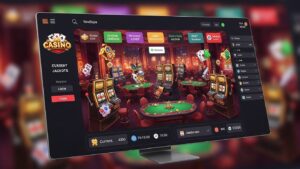
The world of gambling is rapidly evolving, and one of the most exciting developments in the past decade is the rise of iGaming. The term “iGaming” refers to gambling or betting activities that take place over the internet, encompassing everything from online casinos to sports betting, virtual poker, and esports wagering. As digital technology continues to improve and smartphones become more ubiquitous, iGaming has seen a significant surge in popularity. But how did we get here, and where is this ever-growing industry headed? In this blog post, we’ll explore the explosive growth of iGaming, the factors that have influenced its rise, current trends shaping the sector, and where it’s headed in the future.
What is iGaming?
To understand iGaming, it’s important to first break down the key components. Simply put, iGaming refers to any type of gambling or betting that takes place over the internet. This includes a wide variety of activities such as:
- Online casino games (slots, roulette, blackjack, baccarat, etc.)
- Sports betting (betting on real-world events like football, basketball, and horse racing)
- Esports betting (wagering on competitive video games)
- Online poker (playing poker against other players via internet platforms)
- Virtual games (simulated gambling experiences like virtual sports)
While gambling has existed for centuries, iGaming represents a new era of accessibility and innovation. What was once confined to physical casinos and betting shops is now available with just a few clicks on a computer or mobile device. iGaming has opened the doors to a global audience, creating a multi-billion-dollar industry that continues to expand at a rapid pace.
The Rise of iGaming: A Technological Revolution
The primary driver behind the rapid growth of iGaming is technology. Advancements in internet infrastructure, mobile devices, and gaming software have enabled iGaming to offer a more engaging, user-friendly experience than ever before. Over the years, online casinos and betting platforms have evolved from basic, text-based interfaces to immersive, visually stunning environments.
The Internet and Mobile Connectivity
The widespread availability of high-speed internet has played a crucial role in making iGaming accessible to a global audience. The increased speed and reliability of the internet have allowed platforms to offer high-quality video streaming, real-time gaming, and seamless user experiences. Whether it’s streaming live dealer tables, placing bets during live sports events, or participating in online poker tournaments, technology has made iGaming more interactive and real-time than ever before.
Equally important has been the rise of mobile devices. Mobile phones and tablets have become powerful gaming tools, with mobile gaming now accounting for a significant portion of global gaming traffic. This shift towards mobile gaming has made it easier for players to access their favorite games anytime and anywhere. The introduction of dedicated iGaming apps further improves the user experience, offering seamless access to games with personalized features such as notifications, bonus rewards, and exclusive promotions.
Advanced Gaming Software
The evolution of gaming software has also contributed greatly to the rise of iGaming. As the demand for high-quality, realistic experiences has increased, game developers have created increasingly sophisticated games. Online slots now feature 3D graphics, dynamic soundtracks, and engaging themes, while live dealer games allow players to interact with real human dealers through video streams. Virtual reality (VR) casinos are on the horizon, promising fully immersive gaming experiences that mimic real-world casinos, giving players the ability to gamble in a virtual 3D environment.
Popular Forms of iGaming
iGaming is incredibly diverse, with numerous types of gambling and betting options available to players. Let’s take a closer look at the most popular forms of iGaming today.
Online Casinos
Online casinos have been at the forefront of the iGaming revolution. These platforms replicate the experience of traditional brick-and-mortar casinos by offering a wide variety of games, including slots, blackjack, roulette, and poker. With hundreds of different game providers offering unique themes and gameplay mechanics, online casinos attract millions of players around the world.
The key to online casino success lies in the combination of game variety, user experience, and the convenience of being able to gamble at home. Additionally, online casinos offer a range of bonuses and promotions, such as free spins, welcome bonuses, and loyalty programs, to entice players to keep coming back.
Sports Betting
Sports betting is another major pillar of the iGaming industry. Bettors can place wagers on a wide range of sports, from popular games like football and basketball to niche sports such as tennis, golf, and esports. The ability to place live bets during sporting events has further increased the popularity of online sports betting, as players can wager on real-time events while watching them unfold.
The rise of mobile sports betting apps has also played a critical role in making sports wagering more convenient and accessible. With live odds and real-time statistics, mobile sports betting platforms have become essential tools for fans who want to engage with their favorite sports in new and exciting ways.
Esports Betting
Esports has grown into a global phenomenon, attracting millions of viewers to competitive video game tournaments each year. Esports betting, which involves placing wagers on the outcome of esports competitions, has become one of the fastest-growing segments within the iGaming sector. Games like League of Legends, Dota 2, and Counter-Strike have attracted both dedicated fans and bettors looking to capitalize on their knowledge of the gaming scene.
The appeal of esports betting is similar to traditional sports betting, but with the added excitement of watching high-level players battle it out in virtual arenas. Esports betting also offers unique opportunities for operators, with the potential for new types of in-game betting options that are not available in traditional sports betting.
Online Poker
Poker has long been a favorite among gamblers, and online poker has allowed the game to reach a wider audience than ever before. Platforms offering online poker allow players to compete against each other in real-time, participate in tournaments, and enjoy a social atmosphere through chat features. Poker is particularly popular in countries like the United States, the United Kingdom, and Canada, where online poker rooms have been legalized and regulated.
Online poker has a distinct advantage over traditional casino poker in that it allows for a greater range of stakes and access to a broader player pool. Players can engage in cash games or tournament play, and they can choose from a variety of poker variants, such as Texas Hold’em, Omaha, and Seven-Card Stud.
Trends Shaping the iGaming Industry
The iGaming industry is constantly evolving, and several key trends are currently shaping its future.
Mobile Gaming
As mentioned earlier, mobile gaming has become a driving force behind the growth of iGaming. The increasing use of smartphones and tablets means that players can enjoy gambling and betting activities on the go, anytime and anywhere. Mobile apps and responsive websites allow for a seamless experience across devices, and many operators now offer mobile-exclusive bonuses to encourage players to use their apps.
Live Dealer Games
Live dealer games, where players interact with real human dealers via video streaming, have become hugely popular in recent years. These games combine the convenience of online gambling with the social and immersive aspects of land-based casinos. Players can interact with dealers and other players in real-time, enhancing the sense of realism and excitement.
Virtual Reality and Augmented Reality
Virtual reality (VR) and augmented reality (AR) are set to redefine the future of iGaming. VR casinos offer players the chance to step into a fully immersive, 3D environment where they can interact with virtual dealers and other players. This could provide a more realistic and engaging experience than traditional online casinos. Similarly, AR has the potential to enhance sports betting by overlaying live statistics and odds onto the real-world environment, making betting even more interactive.
Cryptocurrency and Blockchain
Cryptocurrencies like Bitcoin and Ethereum have begun to play a significant role in iGaming. Many online casinos and sports betting sites now accept cryptocurrency payments, offering players greater anonymity and faster transactions. Additionally, blockchain technology can ensure greater transparency in online gambling, allowing players to verify the fairness of games and transactions. The integration of cryptocurrency into iGaming represents a major shift in the industry, providing both players and operators with new opportunities.
Challenges Facing the iGaming Industry
Despite its rapid growth, the iGaming industry faces several challenges. Regulatory issues, particularly in countries where online gambling is not yet fully legalized, remain a significant hurdle. While some countries have embraced iGaming and established clear regulatory frameworks, others continue to restrict or prohibit online gambling.
Another challenge is the issue of responsible gambling. While most iGaming platforms have implemented measures to promote responsible gambling, such as self-exclusion tools and spending limits, the risk of addiction and financial harm remains a concern. Operators must balance growth with the ethical responsibility of ensuring players gamble safely and responsibly.
The Future of iGaming
The future of iGaming looks incredibly bright. With advancements in technology, a growing global market, and an ever-expanding range of games and betting options, iGaming is set to continue its upward trajectory. The rise of mobile and VR platforms, along with the adoption of cryptocurrencies, will undoubtedly shape the next generation of online gambling experiences.
As the industry matures, we can expect even more innovation, including the integration of artificial intelligence, machine learning, and other cutting-edge technologies. However, maintaining a balance between innovation and responsible gaming will be key to ensuring the long-term success of the industry.
In conclusion, iGaming has come a long way in a short time, and its growth shows no signs of slowing down. With new trends, technologies, and innovations emerging constantly, players and operators alike have a lot to look forward to in the coming years. The future of gambling is online, and it’s more exciting than ever before.