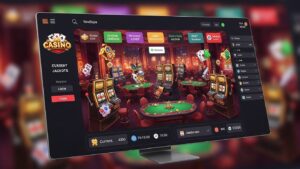
The world of online gaming, or iGaming, has evolved into one of the most exciting and lucrative industries of the modern era. From humble beginnings in the late 1990s, when the first online casinos began to emerge, iGaming has transformed into a global phenomenon, combining technology, entertainment, and gambling into an ever-expanding sector. The rapid expansion of iGaming has not only transformed the way people gamble but has also created new business opportunities, technologies, and challenges. In this blog post, we will explore the growth of iGaming, its key players, opportunities within the industry, and the challenges that come with its success.
What is iGaming?
Before diving into the complexities of the industry, it’s essential to understand what iGaming is. iGaming refers to any form of gambling that takes place over the internet. It includes online casinos, sports betting platforms, poker rooms, and even newer categories such as eSports betting and virtual reality (VR) casinos. iGaming can encompass both traditional forms of gambling like poker, blackjack, and roulette, as well as new forms of interactive games, and skill-based betting.
The internet has provided gamblers with the ability to access these activities from the comfort of their homes, 24/7, making it more convenient than ever to participate. Mobile apps and desktop platforms have further increased accessibility, and many iGaming websites offer a variety of bonuses and incentives to attract new customers.
The Rise of iGaming: A Global Growth Story
The iGaming industry has seen a meteoric rise over the last two decades. According to industry reports, the global iGaming market was valued at over $50 billion in 2020 and is projected to grow at a compound annual growth rate (CAGR) of over 10% from 2021 to 2027. This remarkable growth can be attributed to several factors, including technological advancements, the proliferation of mobile devices, and changing attitudes toward gambling.
Technological Advancements
The success of iGaming is inextricably linked to technological innovations. The introduction of high-speed internet, better graphics and software, secure payment gateways, and data encryption have all contributed to the success of the industry. Additionally, the rise of mobile devices and apps has made gambling more accessible than ever before, allowing players to access their favorite games from anywhere at any time.
Virtual reality and augmented reality (AR) are further enhancing the gaming experience. VR casinos, for example, allow players to step into a virtual world where they can interact with other players and experience a more immersive gambling environment. These new technologies have the potential to make iGaming even more engaging, offering a deeper and more lifelike experience for users.
Changing Attitudes Towards Gambling
In the past, gambling was often stigmatized or frowned upon in many societies, but attitudes have changed in recent years. Today, gambling is seen as a form of entertainment rather than just a risk. As a result, more people are comfortable with the idea of online gambling. Furthermore, governments in many countries have softened their stance on iGaming and implemented regulations that allow for legal online gambling markets.
In fact, a number of countries have embraced iGaming by establishing regulatory frameworks that both protect consumers and generate tax revenue for governments. The legalization of sports betting in the U.S., for example, has led to an explosion of online sports betting platforms, with many operators launching mobile apps that cater to an ever-growing audience.
Key Components of iGaming
iGaming is a broad industry with many different sub-sectors. Let’s take a look at some of the most popular components that have shaped the current landscape of online gambling.
Online Casinos
Online casinos are among the most popular forms of iGaming. These platforms allow players to enjoy classic casino games like blackjack, roulette, baccarat, and slot machines, all from the comfort of their homes. Many online casinos also offer live dealer games, where players can interact with real dealers via video streaming.
The game selection at online casinos is vast, and operators frequently update their offerings to keep players engaged. Slot machines, in particular, are a huge draw, with hundreds of themed and innovative titles available to players. Some online casinos even offer progressive jackpot slots, where the prize pools grow larger with every bet placed, often reaching millions of dollars.
Sports Betting
Sports betting has long been one of the most popular forms of gambling, and the rise of online platforms has allowed sports fans to place bets on their favorite teams and athletes from anywhere in the world. Whether it’s football, basketball, tennis, or even niche sports like esports, sports betting offers a wide variety of options for bettors.
The growth of sports betting has been particularly noticeable in markets where it was once restricted. The legal framework in the U.S. has led to an explosion of online sportsbooks, while European and Asian markets have been offering online betting options for years.
Online Poker
Online poker has been a significant part of the iGaming industry since the early 2000s. Online poker rooms allow players to compete against one another in various poker games, including Texas Hold’em, Omaha, and Seven-Card Stud. These platforms often host large tournaments with massive prize pools, attracting both amateur and professional players alike.
Online poker has built a dedicated following, and several notable tournaments, such as the World Series of Poker (WSOP) Online, have been held on various platforms. With the ability to play at any time and at varying stakes, online poker has become one of the most enduringly popular forms of iGaming.
Esports Betting
Esports has exploded in popularity in recent years, and with it, esports betting has become an increasingly important part of the iGaming market. Esports refers to competitive video gaming, with professional players and teams competing for large cash prizes in games like League of Legends, Dota 2, Counter-Strike, and Fortnite.
As the esports industry continues to grow, so too does the market for betting on these events. Fans of esports can place bets on match outcomes, player performances, and tournament results, much like traditional sports betting. This new form of betting has captured the attention of younger audiences and is expected to continue to grow in the coming years.
Opportunities in the iGaming Industry
The rapid growth of iGaming has opened up many opportunities for businesses, entrepreneurs, and technology developers. Let’s explore some of the key opportunities within this dynamic industry.
Business and Entrepreneurial Opportunities
With the expansion of online gambling, entrepreneurs now have the chance to tap into a global market. Whether it’s launching a new online casino, developing a unique game, or creating a sports betting platform, the opportunities are vast. Many established companies have capitalized on the growth of iGaming, and the industry continues to attract new entrants, creating a highly competitive environment.
Online casinos and sportsbooks require significant investment in technology, marketing, and customer acquisition. However, those who can navigate the regulatory landscape and create a trustworthy and enjoyable product stand to profit from the growing demand.
Technology Development
As with any rapidly growing sector, the iGaming industry is constantly in need of new technologies to enhance the player experience. Software developers, game designers, and cybersecurity experts play a vital role in shaping the future of online gambling. Innovations in artificial intelligence (AI) and machine learning, for example, are being used to improve gaming experiences, enhance personalization, and detect fraudulent activities.
The rise of VR and AR technology also presents a significant opportunity for developers. Virtual casinos and immersive gaming environments are still in their early stages, but they have the potential to revolutionize the way people gamble online. Entrepreneurs with expertise in these technologies have the opportunity to create groundbreaking new platforms.
Challenges Facing the iGaming Industry
Despite its rapid growth and immense potential, the iGaming industry faces several challenges that need to be addressed. These challenges range from regulatory hurdles to concerns about responsible gambling.
Regulatory and Legal Issues
One of the biggest challenges facing the iGaming industry is the complex and often inconsistent regulatory landscape. Different countries have different laws regarding online gambling, and navigating these regulations can be difficult for operators. While some jurisdictions have legalized online gambling and established clear frameworks, others remain restrictive or outright ban it.
For businesses looking to expand internationally, staying compliant with various laws and licensing requirements can be costly and time-consuming. Furthermore, the changing regulatory landscape, particularly in the United States, can create uncertainty for operators.
Responsible Gambling
As the iGaming industry continues to grow, so too does the need for responsible gambling practices. Gambling addiction is a real concern, and operators must take steps to ensure that their platforms promote safe and responsible behavior. This includes implementing features like self-exclusion, deposit limits, and age verification.
Educating players about the risks of gambling is also crucial. Governments, regulators, and industry stakeholders must work together to ensure that the industry promotes healthy gaming habits while protecting vulnerable individuals.
Conclusion: The Future of iGaming
The future of iGaming looks bright, with technological advancements, expanding legal markets, and increasing consumer demand driving growth. While the industry faces challenges related to regulation and responsible gambling, these can be overcome through collaboration and innovation.
As the sector continues to evolve, new opportunities will arise, from the development of cutting-edge gaming technology to the growth of niche markets like esports betting. With the right combination of creativity, technology, and regulation, iGaming will continue to thrive as one of the most dynamic industries in the world.