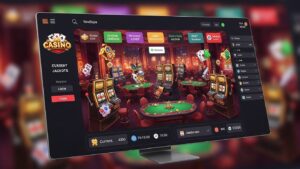
The world of gambling has experienced a seismic shift in recent years, driven by technological advancements, regulatory changes, and evolving consumer behaviors. One of the most significant transformations in the gambling industry is the rise of iGaming, a term that refers to the broad spectrum of online gaming and betting activities. Whether it’s sports betting, online poker, or casino games, iGaming has rapidly become one of the most popular and lucrative sectors in the global entertainment market.
This blog post delves into the world of iGaming, examining its growth, the key technologies that fuel it, the various types of iGaming, and its future prospects in an ever-changing digital landscape.
What is iGaming?
At its core, iGaming is simply online gaming and betting. It encompasses any form of gaming that involves the internet, including online casino games, sports betting, poker, bingo, and even virtual reality-based gambling experiences. The iGaming sector has exploded in recent years due to a confluence of factors such as the widespread availability of high-speed internet, advancements in mobile technology, and evolving laws that have made online gambling more accessible.
Unlike traditional, land-based gambling establishments, iGaming allows players to engage in their favorite betting activities from the comfort of their homes or on-the-go via mobile apps. This accessibility, coupled with the convenience and variety of games offered, has contributed significantly to the industry’s rapid growth and the shift toward a more digital-first gambling environment.
The Technology Behind iGaming: Driving Innovation
iGaming wouldn’t be what it is today without the technology that powers it. Several key innovations have made online gambling not only possible but also incredibly successful.
1. The Internet and Mobile Connectivity
High-speed internet access has played a crucial role in the growth of iGaming. Faster and more reliable internet means that games can be streamed in real-time, allowing for live dealer casino games, sports betting, and online poker tournaments to be enjoyed seamlessly by users. Additionally, mobile connectivity has made it possible for players to place bets or play games anytime, anywhere, on their smartphones or tablets. Mobile apps have expanded the reach of iGaming, attracting younger, tech-savvy audiences and contributing to the rise of on-the-go gambling.
2. Random Number Generators (RNGs) and Fairness
A critical technology that has enabled the growth of online casino games is the Random Number Generator (RNG). RNGs ensure that games like slot machines, roulette, and card games are fair by producing random outcomes that cannot be predicted or manipulated. These systems are constantly audited by third-party agencies to ensure that they meet industry standards for fairness and security.
3. Live Dealer Technology
Live dealer technology has transformed the online casino experience, allowing players to interact with real dealers in real-time. Using live video streams, players can enjoy the thrill of playing blackjack, baccarat, or roulette with actual dealers, providing a more immersive and authentic gambling experience compared to traditional computer-generated games.
4. Cryptocurrency and Blockchain
The rise of cryptocurrency has also found its place in the world of iGaming. Many online casinos and betting platforms now accept cryptocurrencies like Bitcoin, Ethereum, and Litecoin as payment methods. The decentralized nature of blockchain technology offers players an added layer of security and privacy, and the use of cryptocurrency can often result in faster transactions compared to traditional banking methods.
Popular Types of iGaming
iGaming is a broad field, and players can engage in various forms of online gambling. Here’s an overview of some of the most popular iGaming activities:
1. Online Casinos
Online casinos are the backbone of the iGaming industry. These platforms allow players to enjoy classic casino games like slots, poker, blackjack, baccarat, and roulette—all from their computers or mobile devices. Online casinos offer a wide range of games, including virtual games powered by RNGs, as well as live dealer games where real dealers interact with players in real-time.
The popularity of online casinos is driven by their variety, accessibility, and the ease with which players can access them. Some online casinos also offer progressive jackpots, where the prize pool grows with each wager placed, often resulting in multi-million dollar prizes for lucky winners.
2. Sports Betting
Sports betting has long been one of the most popular forms of gambling, and the shift to online platforms has only increased its reach. Whether it’s betting on football, basketball, horse racing, or even eSports, online sportsbooks provide a convenient and exciting way for fans to wager on their favorite sports.
In addition to traditional point spreads and moneyline bets, many iGaming platforms also offer in-play betting, where users can place wagers on events as they happen in real-time. This dynamic and fast-paced betting experience has contributed to the growing popularity of online sports betting.
3. Online Poker
Poker has long been a staple in the gambling world, and online poker rooms have become some of the most lucrative and successful parts of the iGaming industry. Online poker allows players to compete against each other in a variety of formats, including cash games, sit-and-go tournaments, and multi-table tournaments (MTTs).
The most famous online poker event, the World Series of Poker (WSOP), has taken on a new level of excitement thanks to the growth of online poker rooms. Players from around the world can now qualify for major tournaments from the comfort of their homes, with the opportunity to win significant cash prizes.
4. Bingo and Virtual Sports
Bingo has experienced a digital renaissance, with online bingo rooms attracting millions of players worldwide. These platforms often feature various themed bingo rooms and jackpots, offering both social and competitive elements to the game. Similarly, virtual sports—computer-generated simulations of real-world sports events—have grown in popularity, giving bettors another avenue for gambling when live sports may be unavailable.
The Legal Landscape of iGaming
While the iGaming industry has exploded in size and scope, the legal landscape surrounding online gambling is complex and varies significantly by country. Many countries have enacted specific laws that regulate online gambling, while others have yet to establish clear guidelines for its operation.
In markets where iGaming is legalized, operators must comply with strict regulations regarding licensing, player protection, and anti-money laundering (AML) measures. For example, jurisdictions such as the United Kingdom, Malta, and Gibraltar have well-established regulatory frameworks that ensure operators provide fair and transparent gambling experiences for users.
However, there are still regions where online gambling remains illegal or is heavily restricted. This presents a challenge for iGaming operators, who must navigate the legal complexities of international markets. Additionally, players must be aware of the laws in their own countries to ensure they are gambling legally.
The Future of iGaming
As iGaming continues to grow, it is clear that the future of online gambling will be shaped by ongoing technological advancements and shifting consumer preferences. Here are a few trends that are likely to influence the future of iGaming:
1. The Integration of Virtual Reality (VR)
Virtual reality is set to revolutionize the iGaming industry by offering fully immersive gambling experiences. Players may soon be able to enter virtual casinos, interact with other players, and experience live dealer games in entirely new ways. VR has the potential to blur the lines between physical and digital gambling, providing a truly immersive environment for players.
2. Artificial Intelligence and Personalized Gaming
AI is already being used in iGaming for customer service, fraud detection, and gaming recommendations. In the future, AI could play an even greater role in personalizing the gambling experience. For instance, AI algorithms could analyze a player’s behavior and offer customized bonuses, games, or betting options tailored to individual preferences.
3. Mobile Gaming and On-the-Go Gambling
As smartphones continue to dominate the digital landscape, mobile gaming will remain a key growth area for iGaming. Many players now prefer to gamble via mobile apps, which allow for seamless gameplay and instant access to betting platforms. The increasing adoption of 5G technology will further enhance mobile gaming experiences, providing faster loading times and improved graphics.
4. Blockchain and Decentralized Betting
The use of blockchain technology in iGaming could revolutionize how bets are placed, processed, and settled. Blockchain offers transparency, security, and faster transactions, making it an ideal solution for online gambling. Some iGaming platforms are already integrating cryptocurrency payments and blockchain-powered betting systems, which could lead to a new era of decentralized and secure online gaming.
Conclusion: iGaming’s Bright Future
iGaming has come a long way since its humble beginnings, growing into a multi-billion-dollar global industry. As technology continues to evolve and players demand more immersive and personalized experiences, the future of online gambling looks incredibly promising. The rise of mobile gaming, virtual reality, and blockchain technology will further revolutionize the iGaming industry, offering players new ways to engage with their favorite games and bets.
While the legal and regulatory landscape may still present challenges, the continued growth of iGaming suggests that the sector is here to stay. Whether you’re a casual player or a seasoned bettor, the world of iGaming provides endless opportunities for entertainment, engagement, and excitement in the digital age.